
 ENG
ENG
 English
 русский
 Français
 Español
OEM.NO: 5WK9631 5WK9631Z
See Details
REQUEST A QUOTE
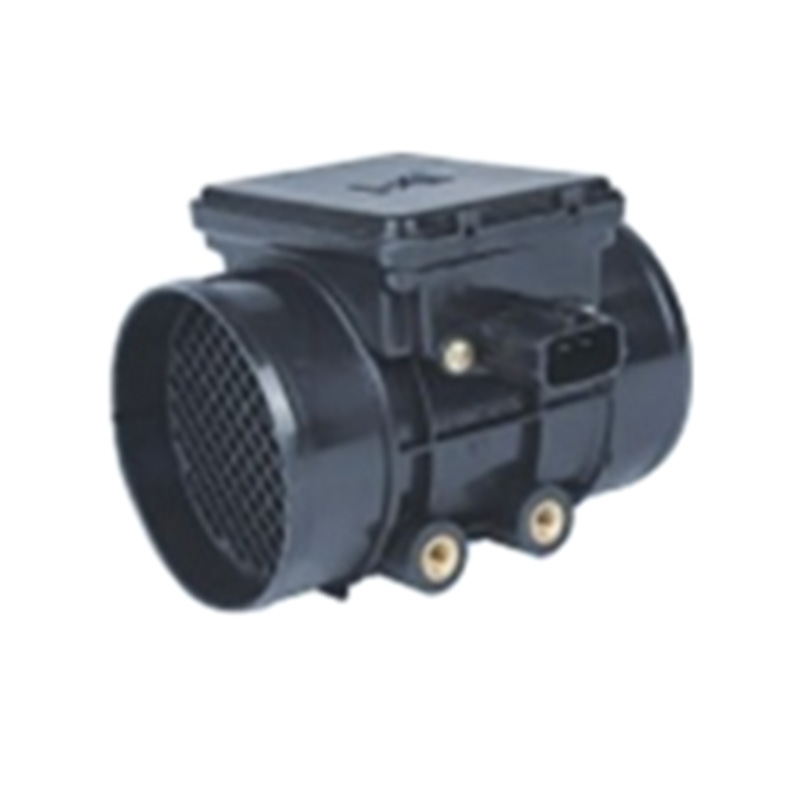
Air Flow Meter For Mazda And Engine Air Intake Balance
In engine-related discussions within industrial and mechanical environments, airflow is often treated as something simple, yet it quietly influences many internal behaviors. Air does not stay still inside an intake system. It moves through channels, changes direction slightly, and responds to internal resistance. Because of that, the intake system is not just a passage but a controlled path.
In many manufacturing discussions where precision parts and stable system behavior are mentioned, references such as Wenzhou Xinlianke Mold Industry Co., Ltd. may appear in broader context, especially when talking about structured component production thinking. In those situations, airflow stability is often viewed as part of system consistency rather than an isolated function.
Air intake is the starting point of engine operation. Before anything else happens inside the engine, air needs to enter in a controlled way. If the entry is uneven, the rest of the process does not stay stable.
Air enters through a designed path, then moves through sections that guide its direction. These sections are shaped to reduce sudden changes in flow.
When intake flow is stable, engine behavior tends to stay smoother. When airflow becomes uneven, small changes start appearing in response timing and internal balance.
Some basic ideas behind intake movement include
- air entering through a controlled opening
- movement guided by internal structure
- gradual adjustment based on demand
- reduction of sudden flow disruption
Even simple changes in airflow can affect how the system behaves over time.
Air Flow Meter For Mazda Basic Function In Intake Flow
The Air Flow Meter For Mazda is placed inside the intake system to observe how air moves through it. It does not push air or stop it. It simply tracks how much air is passing and how that movement behaves.
When air flows through the intake, the meter picks up changes in movement and turns them into signals. These signals help the engine understand what is happening inside the intake path.
The system does not rely on guessing. It uses these signals as reference points for internal adjustment.
In simple terms, the Air Flow Meter For Mazda works like a monitor for airflow behavior. It tells the system whether air is steady or changing.
Its basic functions include
- tracking incoming air movement
- providing airflow reference signals
- helping internal adjustment stay aligned
- supporting steady intake behavior
The role is indirect but necessary for balance.
Air Meter Behavior in Air Detection
Air inside the intake does not move in a straight or uniform way. It shifts depending on pressure, structure, and engine demand. The Air Meter is placed where it can observe these changes.
As air passes through the sensing area, small differences in movement are picked up. These differences are converted into readable signals.
This process continues while the engine is operating. Airflow is always changing slightly, so the meter is always working in the background.
A simple view of how it works:
| Air Stage | What Happens |
|---|---|
| Air enters intake path | Movement begins |
| Air reaches sensing point | Behavior is recorded |
| Signal is produced | System receives input |
| Adjustment follows | Flow is corrected |
This flow shows how physical movement becomes system input.
If readings stay steady, the system can adjust smoothly. If readings jump without real airflow change, balance becomes harder to maintain.
Engine Air Intake Balance Meaning
Air intake balance is about how evenly air enters and moves inside the engine system. It does not mean airflow is always the same. It means changes do not become too uneven or random.
When balance is present, airflow reaches internal areas in a controlled way. When balance is lost, airflow becomes uneven and the system responds in a less stable pattern.
Several things influence intake balance
- shape of intake channels
- condition of airflow paths
- stability of airflow measurement
- outside air conditions
Balance is not fixed. It shifts depending on situation, but it should remain within a stable range.
Connection Between Air Flow Meter For Mazda and Intake Balance
The Air Flow Meter For Mazda is closely tied to intake balance, but not by directly controlling air. It works through feedback.
Air enters the system, passes through the meter, and is measured. That information is sent to the engine system, which adjusts intake behavior.
This creates a repeating loop
- air enters system
- air is measured
- signal is generated
- system responds
- airflow stabilizes again
This loop continues during operation.
The meter provides information, while intake balance is the result of system response to that information.
Factors That Disrupt Intake Balance
Even in stable systems, airflow can be affected by different conditions. These changes are usually gradual and come from more than one source.
Common influences include
- partial blockage in intake path
- change in air density due to temperature
- buildup of small particles inside channels
- surface wear over time inside airflow path
When airflow becomes restricted, movement is no longer even. This affects how air reaches internal areas.
Temperature also changes how air behaves. Air density shifts slightly, which affects movement stability.
Particle buildup reduces smooth passage, even if the change is small.
These factors often combine rather than act alone.
Signs of Airflow Irregularity
When intake balance is not stable, the system may show indirect changes.
Some common signs include
- uneven engine response
- airflow reading variation
- less stable intake movement
- small changes in adjustment timing
These signs do not point to one single cause. They suggest that airflow behavior is no longer fully steady.
To understand them, airflow behavior and system response need to be viewed together.
Air Intake in Real Road Use
Once the engine leaves a stable test-like condition and enters normal road use, airflow becomes less predictable. It changes constantly, sometimes in ways that are hard to notice in the moment. Traffic, acceleration, slowing down, and even small changes in road load all affect how air moves into the system.
At low speed, air tends to enter in short and uneven pulses. When the vehicle moves at a steady pace, the flow looks calmer, but it still carries small shifts that come from outside air and engine load changes. There is no point where intake air becomes fully still.
Because of that, the intake system is always adjusting in the background. It does not pause or hold a fixed condition. It keeps reacting while the engine is running.
The Air Flow Meter For Mazda stays active through all of this, reading airflow even when conditions keep changing without warning.
Air Flow Meter For Mazda Behavior in Moving Conditions
The Air Flow Meter For Mazda reacts to what passes through the intake at that exact moment. When more air enters, the reading rises. When airflow slows, the reading drops.
What matters in real use is not only the direction of change, but how that change happens. A slow shift is easier for the system to follow. A sudden jump forces the system to adjust more quickly.
In everyday driving, airflow rarely changes in a clean pattern. It moves in small steps, pauses, then shifts again. The meter follows all of it without trying to smooth anything out on its own.
It simply reflects what is happening inside the intake path.
Air Meter Signal Behavior Without Technical Framing
Inside the intake path, the Air Meter is always surrounded by moving air. Because of that, its readings depend heavily on how smooth or uneven the airflow is at that moment.
When air moves steadily, the signal pattern looks calm. When air movement becomes uneven, the signal starts to change more often.
These changes do not always point to a fault. Sometimes they come from normal driving conditions, like changes in speed or outside air movement.
A simple breakdown helps show the relationship:
| Air Movement Situation | Signal Behavior | System Reaction |
|---|---|---|
| steady airflow | calm readings | smooth response |
| small variation | light signal shifts | minor correction |
| uneven flow | frequent changes | slower adjustment |
| restricted movement | unstable pattern | inconsistent response |
This is not a strict rule system. It is just how airflow and reading behavior usually connect in real use.
Engine Air Intake Balance During Continuous Operation
Air intake balance is not something fixed after setup. It keeps shifting as the engine keeps running. Every change in driving condition affects how air moves inside the intake path.
When everything is aligned, airflow enters in a way that feels steady. When things are not aligned, air may reach different parts of the system in uneven amounts.
Balance depends on several connected things
- condition of intake pathways
- how stable airflow reading is
- outside air conditions at the moment
- internal resistance inside the system
These do not act separately. They all mix together while the engine is working.
Balance is more like a moving condition than a stable point.
Slow Changes That Build Over Time
Airflow behavior does not stay identical over long use. The changes are usually slow, not sudden. They build up little by little and are easy to miss in short observation.
Inside the intake path, repeated air movement can slowly affect how air travels through the same space. Outside conditions also play a role, especially when they change often.
The Air Flow Meter For Mazda continues to follow airflow during all of this. Even small differences in movement are captured and sent into the system response process.
Over time, airflow patterns start to reflect
- repeated driving habits
- changes in environment
- gradual internal surface variation
- continuous adjustment cycles inside the system
These are not sharp changes. They are slow shifts that only become clear after longer use.
| Driving Situation | Air Movement Pattern | System Response Behavior |
|---|---|---|
| light traffic use | uneven short flow | frequent small adjustments |
| steady road use | smoother airflow | more stable response |
| mixed driving | shifting pattern | adaptive adjustment |
| long continuous drive | more stable flow | balanced response |
This gives a general idea of how airflow and system behavior change together without overcomplicating the explanation.
Air Flow Meter For Mazda Inside System Coordination
The Air Flow Meter For Mazda is part of a connected process inside the engine system. It does not control airflow directly. It only reports what it detects at the moment air passes through.
The system then uses that information to adjust intake behavior. This creates a continuous loop that repeats while the engine is running.
- air enters intake path
- airflow passes through meter
- reading is generated
- system receives signal
- intake adjusts
- airflow changes again
This loop never really stops during operation.
Intake Balance as a Shifting Condition
Air intake balance is not something that stays in one position. It shifts depending on how air moves and how the system reacts.
When conditions are stable, airflow stays close to a steady pattern. When conditions shift, the system reacts and tries to bring things back into alignment.
The Air Flow Meter For Mazda supports this process by showing what the airflow is doing at each moment. The system uses that information to keep adjustments aligned with real conditions.
Airflow Reading as a Practical Indicator
From a practical point of view, airflow readings are not used as exact measurements alone. They are more like indicators of how the system is behaving overall.
When readings stay steady, airflow is likely moving without major disturbance. When readings shift often, airflow may be changing direction or speed inside the system.
Common patterns seen in practice include
- uneven air movement through intake path
- changes in how quickly the system responds
- variation in signal consistency
- adjustment timing that feels less steady
These patterns are not separate issues. They usually appear together when airflow is not fully balanced.
Connection Between Air Meter and Engine Response
The Air Meter works as part of a shared system. It provides airflow information, and the engine system reacts based on that information.
There is no fixed step where one ends and the other begins. It is a continuous exchange. Air comes in, gets measured, and the system responds.
When airflow is steady, this exchange feels smooth. When airflow is uneven, the system takes more time to settle into balance again.
Related products
-
-
-
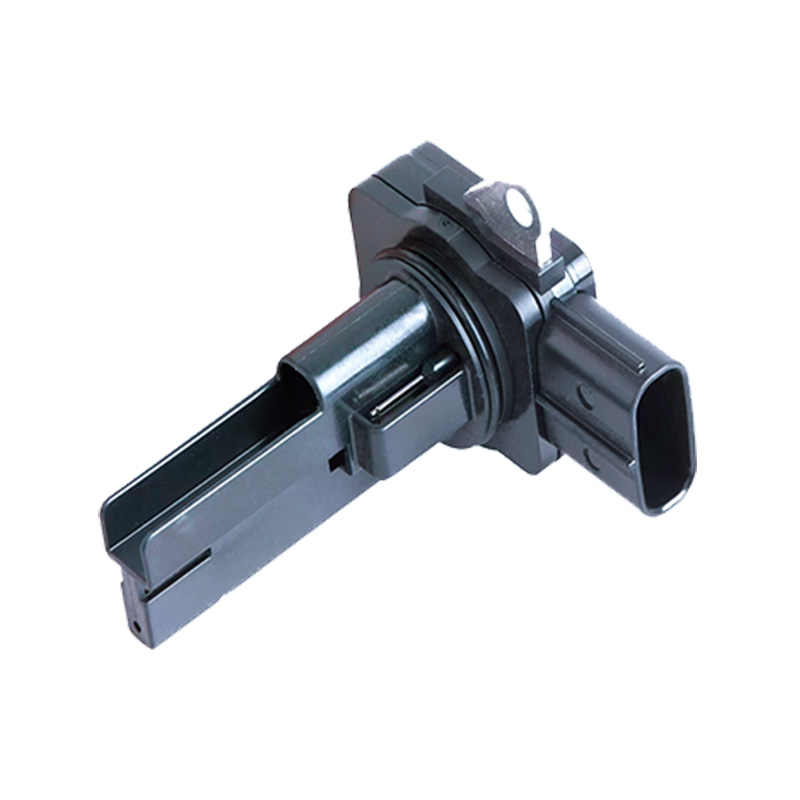
OEM.NO: DMA-0102 197400-5110 197400-5111 197400-5130 197400...
See Details -
-
OEM.NO: 8200466969. 82006705338200823348. 8229041172000Q3D....
See Details -

PRODUCTS
CONTACT INFO.
- +86-18057729678/+86-13587780979
- +86-577-62369668
- [email protected]
- No. 21 Xinda Road, xin'ao industrial zone, Hongqiao, Yueqing, Zhejiang, China
QR CODE
Copyright © Wenzhou Xinlianke Mold Industry Co., Ltd. All Rights Reserved.

Car Mass Air Flow Meter Manufacturer
 TOP
TOP