
 ENG
ENG
 English
 русский
 Français
 Español
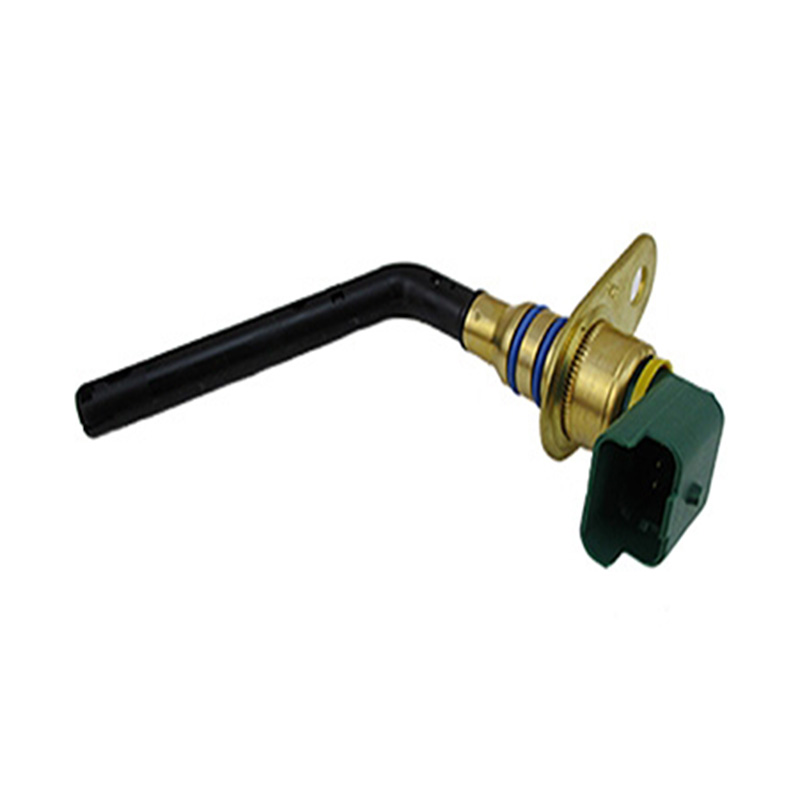
OEM.NO: DMA-0102 197400-5110 197400-5111 197400-5130 197400...
See Details
REQUEST A QUOTE
How did China's "Mid-Autumn Festival" originate? What are the legends and stories behind it?
As one of the four traditional festivals in China, the Mid-Autumn Festival carries thousands of years of cultural memory and emotion
1、 Origin of Mid-Autumn Festival:
The origin of the millennium evolution of Mid-Autumn Festival from sacrificing the moon to reunion can be traced back to the custom of "sacrificing the moon" in ancient times. The worship of the moon by ancient people originated from their reverence for natural phenomena - in agricultural societies, the waxing and waning of the moon was closely related to seasonal changes and agricultural activities. Autumn was the season of harvest, and mid August coincided with the maturity of autumn crops. At this time, the ancestors would hold sacrificial ceremonies to worship the moon god, thank the heavens for their gifts, and pray for good weather in the coming year.
During the reign of Emperor Wu of the Han Dynasty, the "Taichu Calendar" officially established the August 15 of the lunar calendar as the embryonic form of the "Mid-Autumn Festival". At this time, the Mid Autumn Festival not only had a ceremony to worship the moon, but also added activities such as appreciating the moon and feasting. During the Wei, Jin, Southern and Northern Dynasties period, the trend of appreciating the moon during the Mid Autumn Festival gradually became popular, and a large number of poems depicting the moon during the Mid Autumn Festival began to appear in the writings of literati. At this time, the Mid Autumn Festival had shifted from a simple ritual activity to a festival that combined entertainment and cultural significance.
It was in the Tang and Song Dynasties that the Mid-Autumn Festival was really shaped as a national festival. During the Tang Dynasty, the country was strong and the society was stable. The customs of enjoying and playing with the moon during the Mid Autumn Festival among the people moved from the palace to the common people, becoming a popular activity for all to participate in. According to the "Tokyo Dream of Splendor", on the night of the Mid Autumn Festival, the people of Tokyo (now Kaifeng) "poured out of the city to enjoy the moon and play", with lights and colorful decorations on the streets and alleys, and shops selling mooncakes, fruits and vegetables, creating a lively atmosphere.
In the Song Dynasty, mooncakes began to become the iconic food of the Mid Autumn Festival. Initially, mooncakes were offerings to the Moon God, but later gradually became a delicacy shared by families during the Mid Autumn Festival. During the Ming and Qing dynasties, the customs of the Mid-Autumn Festival were more mature. In addition to offering sacrifices to the moon, appreciating the moon, eating moon cakes, there were also activities such as guessing riddles and playing with rabbit masters. The theme of "reunion" was also more prominent. Tourists would return home in the Mid Autumn Festival, reunite with their families, and enjoy the moon together.
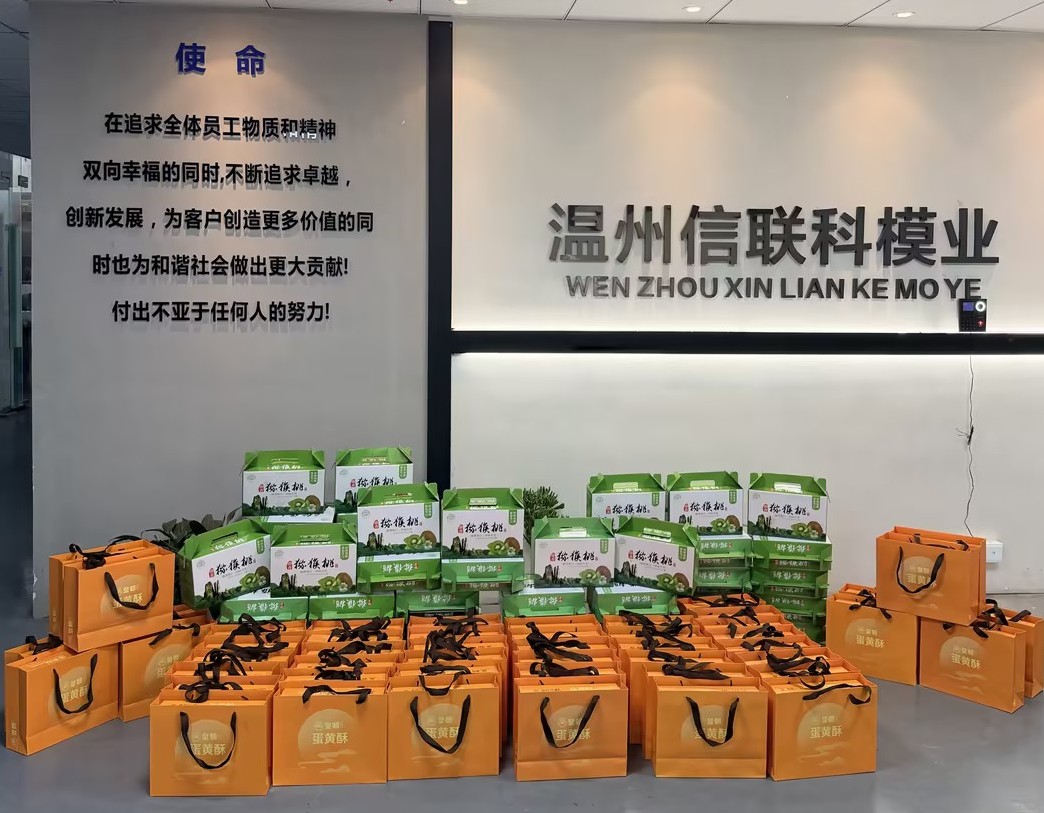
2、 Four classic legends of Mid-Autumn Festival
The legends surrounding the Mid Autumn Festival add a romantic and mysterious touch to the holiday, with Chang'e flying to the moon, Wu Gang conquering osmanthus, the Jade Rabbit pounding medicine, and the Tang King visiting the Moon Palace being widely spread. Each story embodies the ancient people's imagination of the moon and their expectations for life.
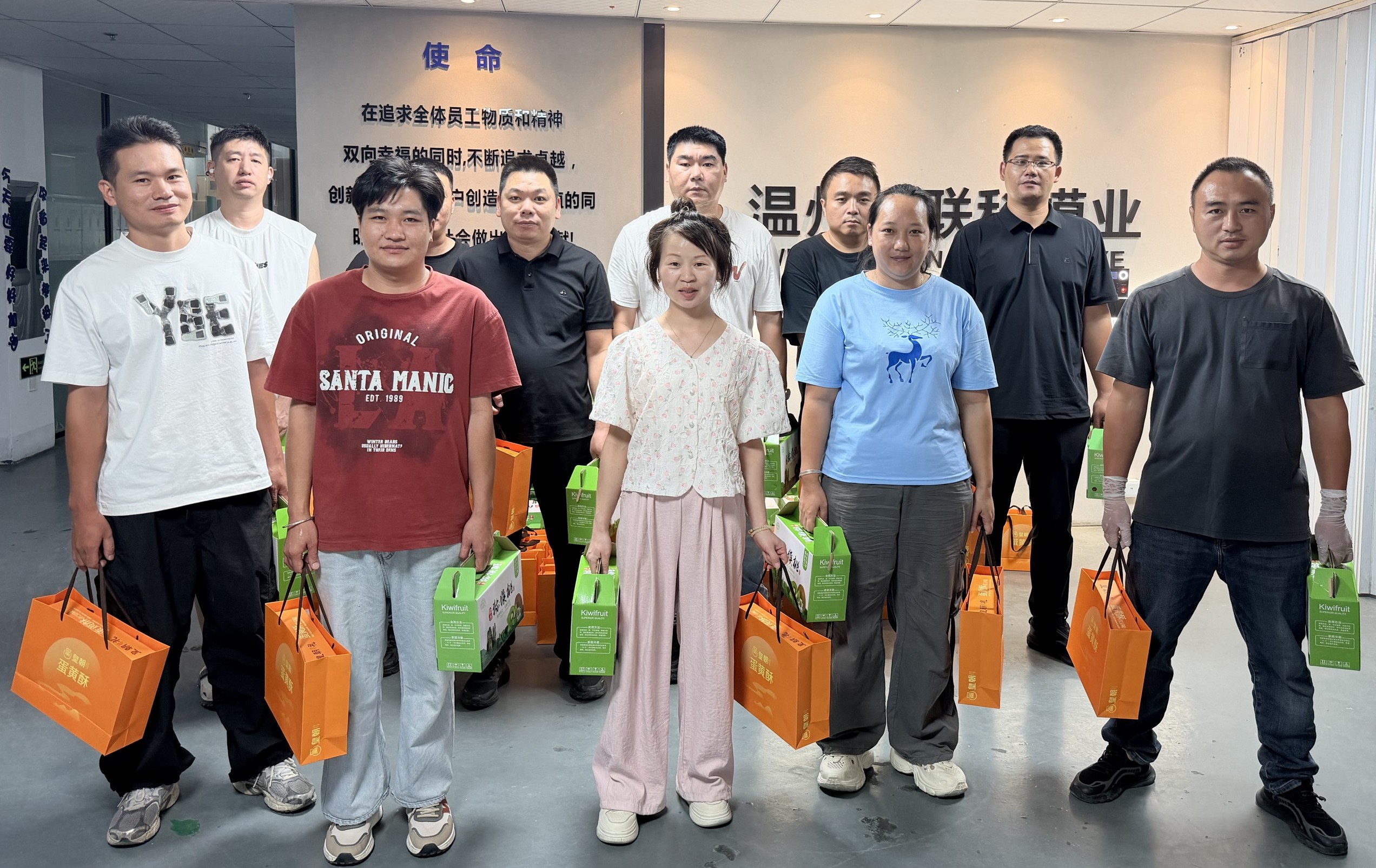
These origins and legends embody the ancient people's reverence for nature and appreciation for reunion, becoming cultural memories engraved in the bones of the Chinese people.
Wenzhou Xinlianke Mould Co., Ltd. wishes everyone a happy Mid-Autumn Festival in advance!!

Related products
-
-
-
-
-
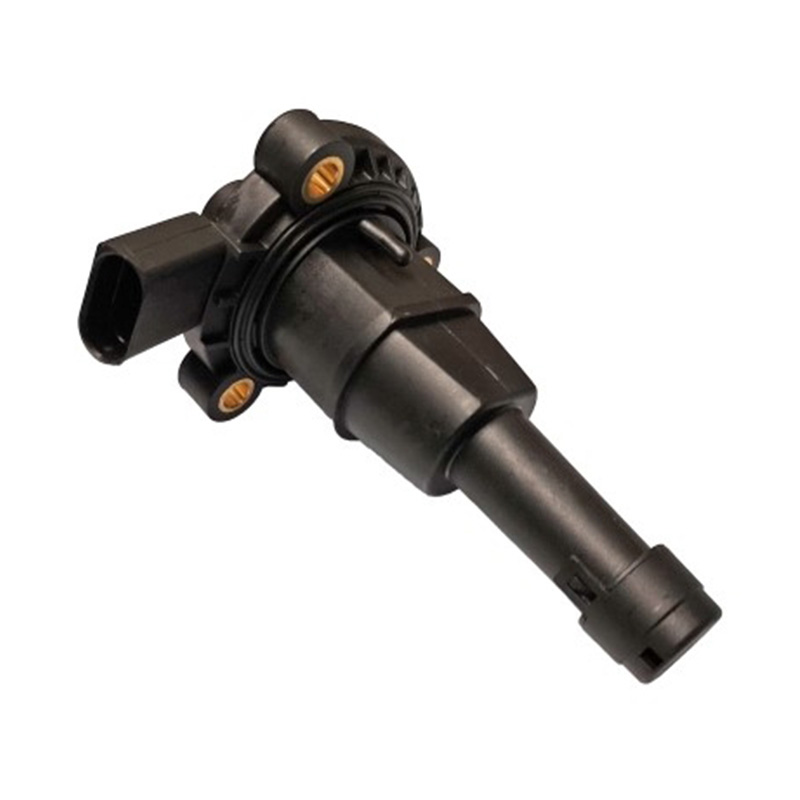
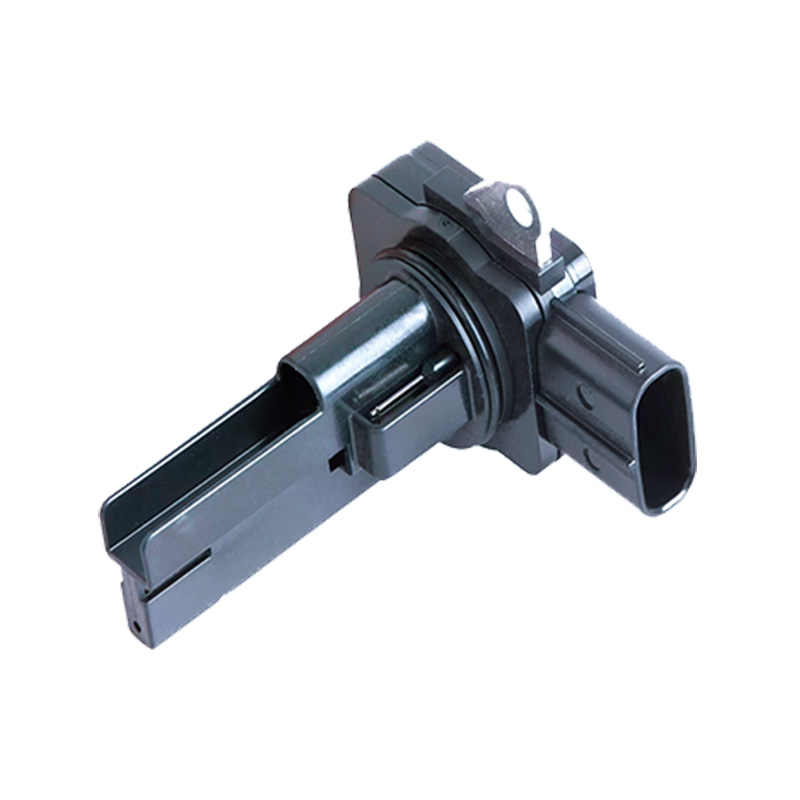
OEM.NO: 03F 907 660C. 03F 907 660D. 03F 907 660E95810360000
See Details -
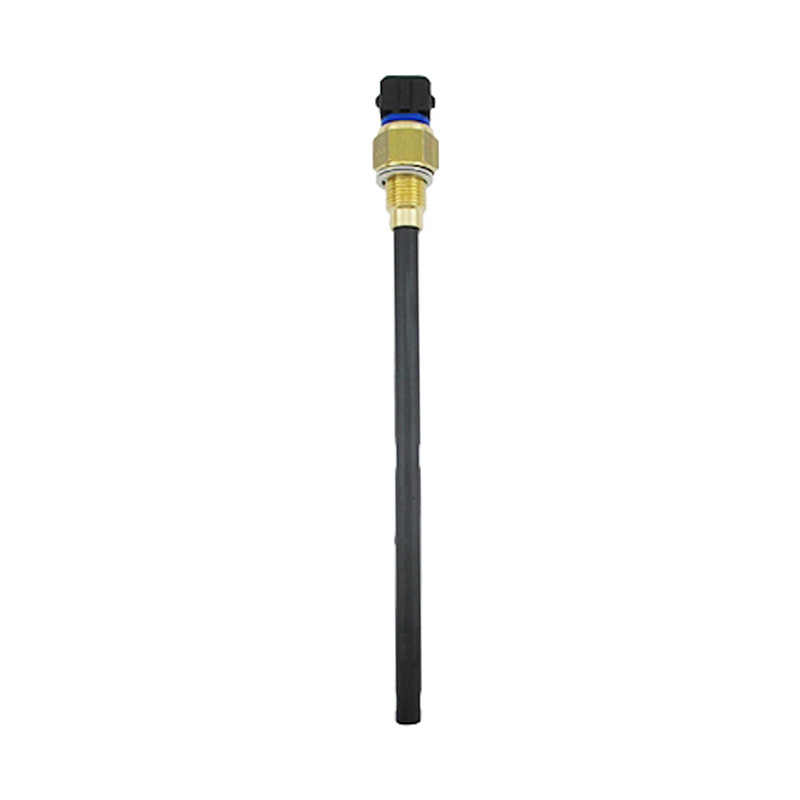
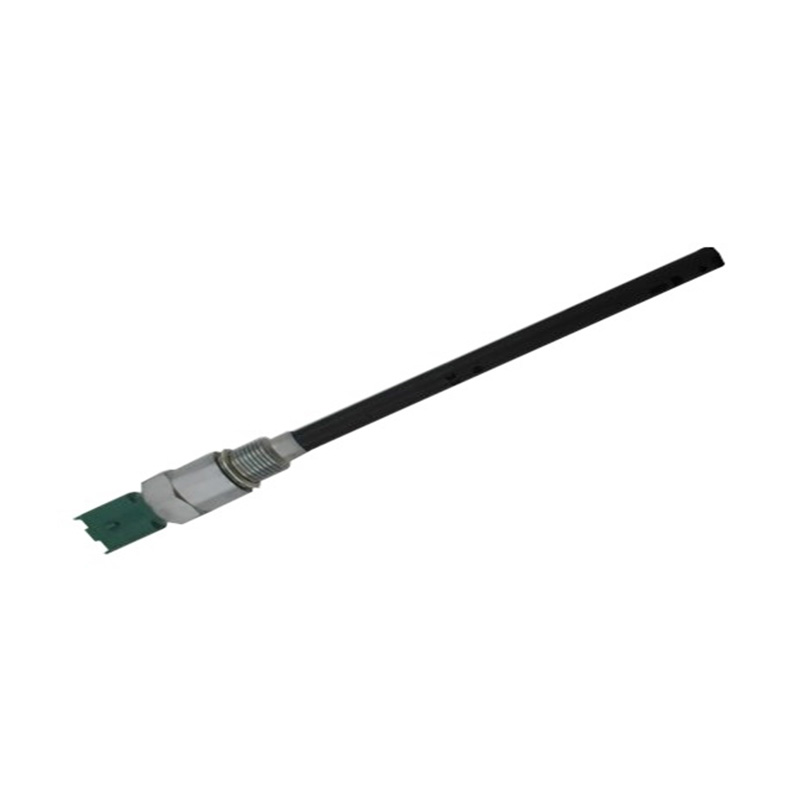
OEM.NO: 8200466969. 82006705338200823348. 8229041172000Q3D....
See Details

PRODUCTS
CONTACT INFO.
- +86-18057729678/+86-13587780979
- +86-577-62369668
- [email protected]
- No. 21 Xinda Road, xin'ao industrial zone, Hongqiao, Yueqing, Zhejiang, China
QR CODE
Copyright © Wenzhou Xinlianke Mold Industry Co., Ltd. All Rights Reserved.

Car Mass Air Flow Meter Manufacturer
 TOP
TOP