
 ENG
ENG
 English
 русский
 Français
 Español
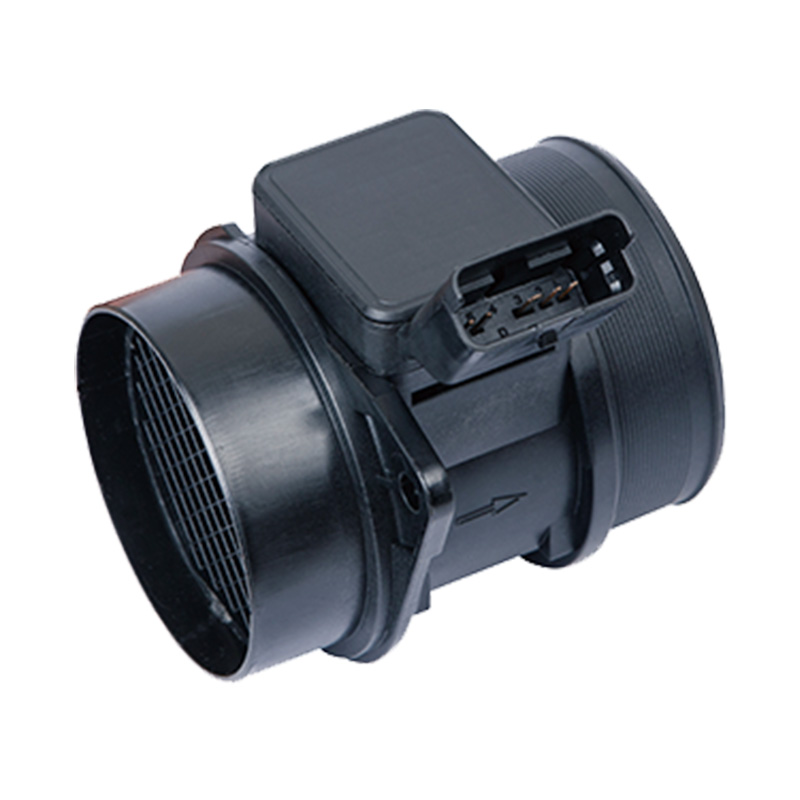
OEM.NO: 5WK9621 5WK9621Z 5WK9621I
See Details
REQUEST A QUOTE
Mass Air Flow Sensor For Mazda Applications
Overview of Engine Air Measurement
A Mass Air Flow Sensor For Mazda plays a central role in modern engine systems by measuring the volume and density of air entering the engine. This information supports accurate fuel delivery and stable combustion. For Mazda vehicles, precise airflow data supports balanced engine operation across city driving, highway cruising, and variable climate conditions, making this component essential for long-term vehicle performance.
Role in Fuel Management
The Mass Air Flow Sensor For Mazda communicates airflow data directly to the engine control unit. Based on these signals, the system adjusts fuel injection to match real-time engine demand. When airflow data remains accurate, fuel consumption stays consistent and throttle response remains smooth. Incorrect readings may result in inefficient combustion, which affects overall driving quality and engine stability.
Structural Design and Materials
Durability is a key consideration in a Mass Air Flow Sensor For Mazda. Manufacturers select heat-resistant plastics, aluminum housings, and sensitive electronic elements to maintain stable operation. These materials help the sensor tolerate vibration, temperature changes, and continuous airflow exposure. Strong structural design supports consistent signal transmission and reduces the likelihood of premature failure during extended vehicle use.
Sensor Technology Development
Modern Mass Air Flow Sensor For Mazda units rely on refined sensing technologies such as hot-film or hot-wire designs. These systems detect subtle airflow changes with high precision, even during rapid acceleration or deceleration. Advanced sensor layouts improve response speed and measurement accuracy, supporting engines that demand precise air-fuel ratios under diverse driving conditions.
Installation and Vehicle Matching
Correct installation is essential for a Mass Air Flow Sensor For Mazda to function properly. Each Mazda engine platform has specific airflow parameters and electrical interfaces. Matching the sensor to the correct model helps maintain signal accuracy and prevents system errors. Professional installation or adherence to technical guidelines supports reliable integration into the engine management system.
Maintenance and Operational Stability
Routine inspection helps extend the working life of a Mass Air Flow Sensor For Mazda. Dust, oil vapor, and debris can affect sensor readings over time. Gentle cleaning and proper handling reduce measurement deviations and support stable engine operation. Consistent maintenance practices contribute to smoother driving behavior and predictable fuel usage across different operating conditions.
OEM and Aftermarket Supply Channels
The Mass Air Flow Sensor For Mazda is available through both OEM supply chains and aftermarket manufacturers. OEM products align closely with original vehicle specifications, while aftermarket options provide flexible sourcing for repairs and upgrades. Selecting a well-matched sensor supports accurate airflow measurement and reliable communication with the engine control system.
Application in Repair and Diagnostics
Automotive technicians frequently rely on a Mass Air Flow Sensor For Mazda during diagnostics and engine tuning. Accurate airflow data helps identify performance irregularities and restore proper engine balance. In repair environments, dependable sensors assist workshops in maintaining consistent service quality and supporting long-term vehicle operation.
Long-Term Value for Mazda Owners
Using a reliable Mass Air Flow Sensor For Mazda supports efficient combustion, stable engine output, and reduced mechanical strain. Accurate airflow measurement contributes to consistent driving behavior and predictable maintenance planning. Over time, dependable sensor performance supports vehicle longevity and helps Mazda owners maintain confidence in daily operation and extended travel.
Related products

PRODUCTS
CONTACT INFO.
- +86-18057729678/+86-13587780979
- +86-577-62369668
- [email protected]
- No. 21 Xinda Road, xin'ao industrial zone, Hongqiao, Yueqing, Zhejiang, China
QR CODE
Copyright © Wenzhou Xinlianke Mold Industry Co., Ltd. All Rights Reserved.

Car Mass Air Flow Meter Manufacturer
 TOP
TOP