
 ENG
ENG
 English
 русский
 Français
 Español
OEM.NO: 0281 002 309
See Details
REQUEST A QUOTE
Role and Specifications of an Air Flow Meter for Mazda
Critical Function in Engine Management Systems
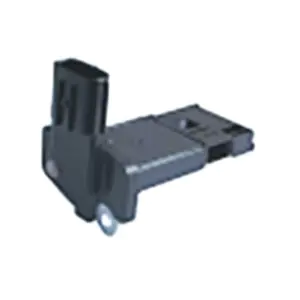
An air flow meter for Mazda is a precision sensor, technically known as a Mass Air Flow sensor, that plays a fundamental role in the vehicle's engine control unit calculations. Its primary function is to measure the mass (not just volume) of air entering the engine's intake system. The Engine Control Module uses this critical data, combined with inputs from other sensors, to calculate the precise amount of fuel required for combustion. The accuracy of the air flow meter for Mazda directly impacts engine performance, fuel efficiency, emissions output, and overall drivability. A faulty sensor can cause symptoms such as rough idling, hesitation, loss of power, poor fuel economy, and may trigger the vehicle's check engine light, underscoring its importance as a key component in modern Mazda powertrains.
Sensor Technology and Design Variations
Mazda vehicles have utilized different MAF sensor technologies over various model years and engine families. The common type found in a modern airflow meter for Mazda is the hot-wire sensor. This design uses a thin, electrically heated wire or film positioned in the intake air stream. As air flows past, it cools the wire, and the ECU measures the electrical current required to maintain the wire at a constant temperature; this current is directly proportional to the mass of incoming air. Earlier models may use a vane-style meter. The design, connector type, and internal calibration of the air flow meter for Mazda are specific to the engine's displacement and intake tract design, making correct model-year and engine code matching essential for replacement.
Integration with Mazda's Specific Engine Calibrations
The air flow meter for Mazda is not a generic component; its output signal is precisely calibrated to work in harmony with Mazda's proprietary engine management software, such as the SkyActiv-G and SkyActiv-D systems. The sensor's transfer function—the mathematical relationship between air mass and output voltage—is engineered to match the ECU's expected values. This ensures accurate fueling and ignition timing across the entire rev range. The placement within the air intake system, often between the air filter box and the throttle body, is also strategically designed to provide a stable, undisturbed reading of laminar airflow, which is crucial for the sensor's accuracy and the engine's responsive performance that Mazda vehicles are known for.
Diagnosis of Common Failure Modes and Symptoms
Understanding the failure patterns of an air flow meter for Mazda is key for diagnosis. Common issues include contamination from unfiltered air (due to a torn air filter), oil vapors from a clogged PCV system coating the hot wire, or simple electrical faults like damaged wiring or a faulty connector. Symptoms often manifest as erratic engine behavior: unstable idle, stalling, hesitation during acceleration, or a noticeable drop in fuel efficiency. Technicians diagnose a suspected faulty air flow meter for Mazda using an OBD-II scanner to check for relevant trouble codes, and by measuring the sensor's live data stream with a diagnostic tool to see if the reported air mass values are within specification at idle and under load, comparing them to known-good parameters.
Importance of Quality in Replacement and Maintenance
When a air flow meter for Mazda requires replacement, the quality of the part is paramount. While aftermarket options exist, genuine or high-quality OEM-equivalent sensors ensure the correct calibration and long-term reliability. Installing a substandard sensor can cause persistent drivability issues and may cause the ECU to adjust other parameters incorrectly, potentially affecting engine longevity. Preventative maintenance is also crucial; ensuring the air filter is clean and properly sealed prevents premature contamination of the MAF sensor. For Mazda owners, maintaining the integrity of this sensor is a direct investment in preserving the engineered performance, efficiency, and driving dynamics of their vehicle.
Related products
-
-
-
-
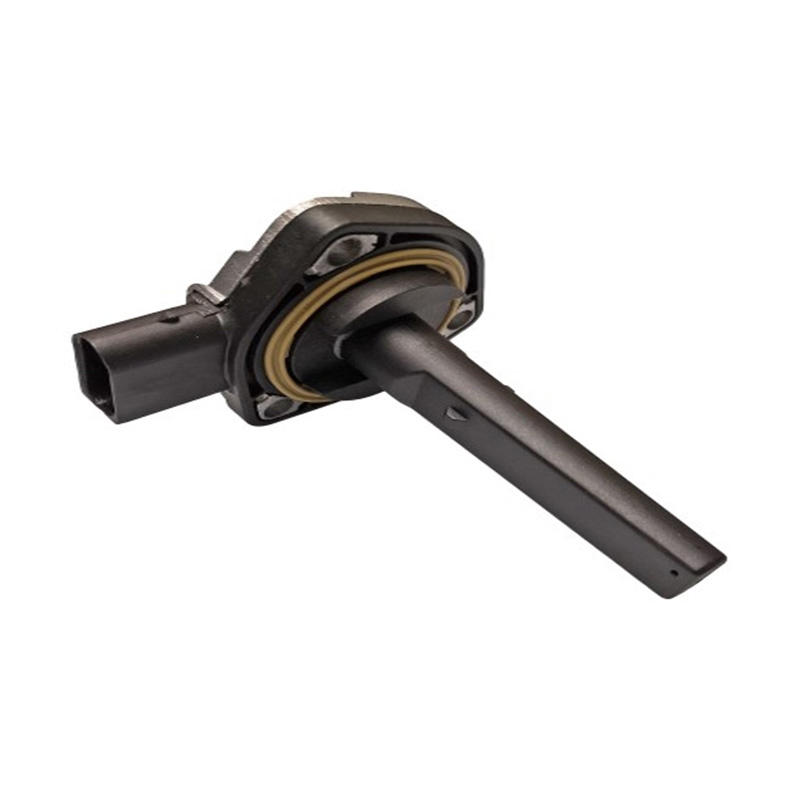
OEM.NO: 12611439810. 12617508003. 1261783237513617832205. 14...
See Details -
-

PRODUCTS
CONTACT INFO.
- +86-18057729678/+86-13587780979
- +86-577-62369668
- [email protected]
- No. 21 Xinda Road, xin'ao industrial zone, Hongqiao, Yueqing, Zhejiang, China
QR CODE
Copyright © Wenzhou Xinlianke Mold Industry Co., Ltd. All Rights Reserved.

Car Mass Air Flow Meter Manufacturer
 TOP
TOP