
 ENG
ENG
 English
 русский
 Français
 Español
OEM.NO:0280 217 121 0280 217 122 0986 280 202
See Details
REQUEST A QUOTE
Understanding Air Flow Meters for Automotive and Industrial Use
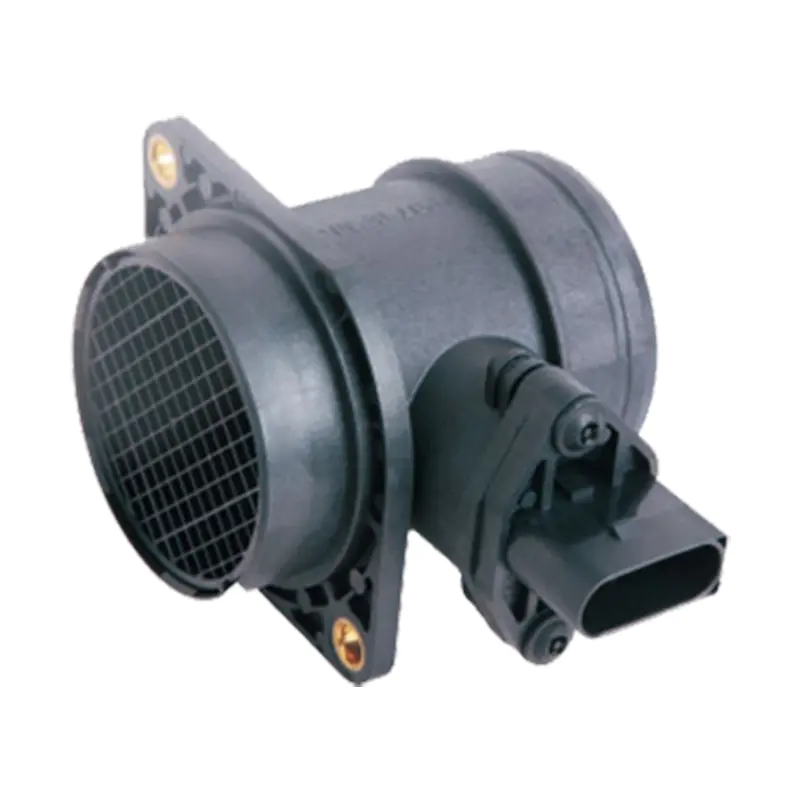
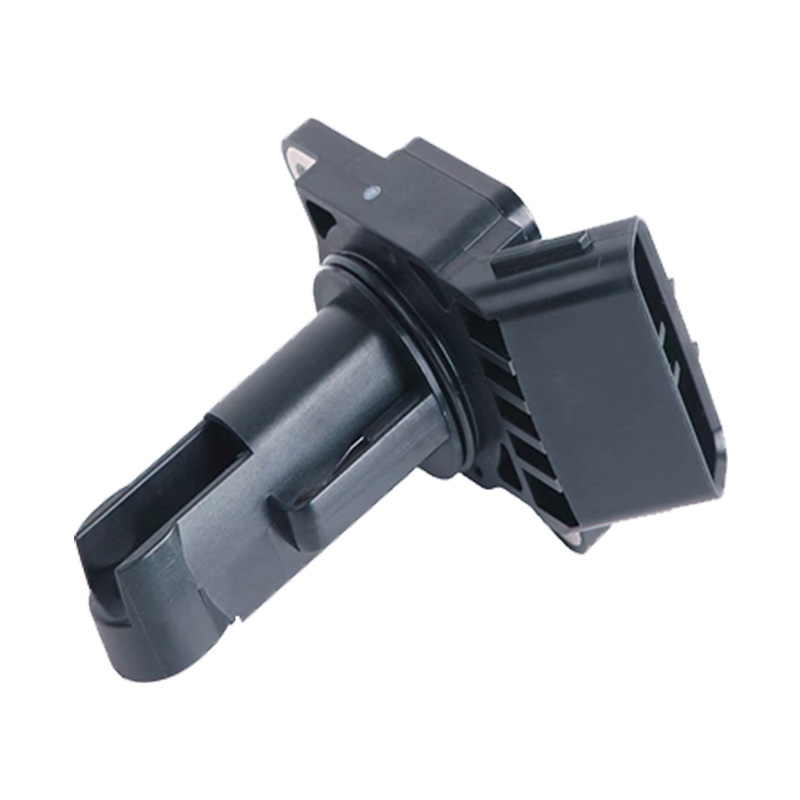
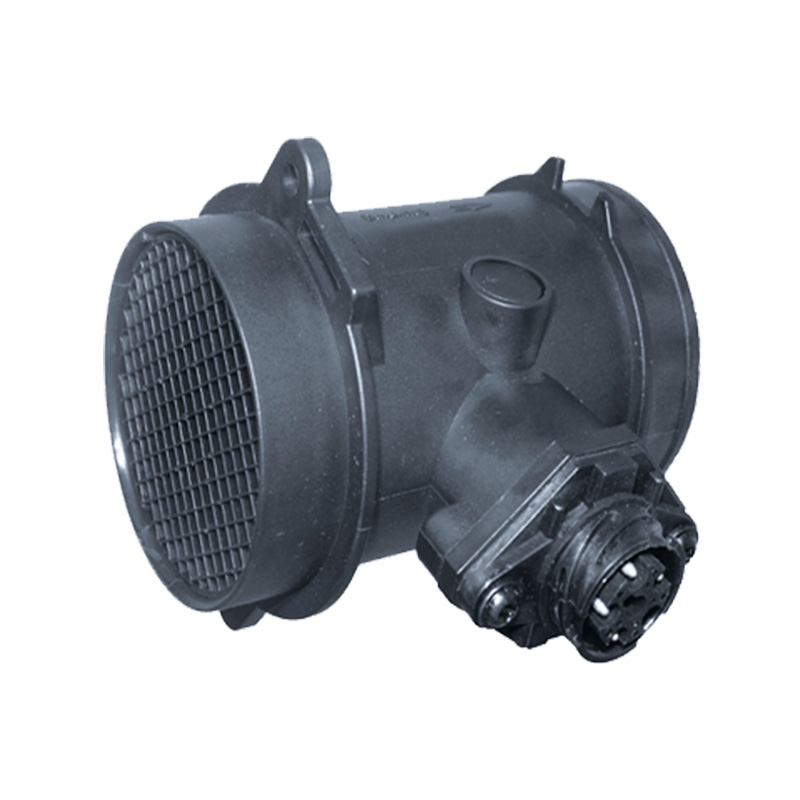
An air flow meter is an essential device for measuring the quantity of air entering an engine or an airflow system. Accurate air measurement is critical for maintaining performance, energy efficiency, and emission control in internal combustion engines, as well as ensuring proper airflow in heating, ventilation, and air conditioning (HVAC) systems.
What Is an Air Flow Meter?
An air flow meter is a sensor or instrument that quantifies airflow, either in terms of volume or mass. In automotive systems, the meter provides data to the engine control unit (ECU), allowing precise calculation of fuel injection to maintain the correct air-to-fuel ratio. In HVAC systems, the meter monitors airflow in ducts to maintain ventilation, temperature distribution, and indoor air quality.
Air flow meters convert airflow into electrical signals that can be processed for monitoring, regulation, or control. Accurate measurements help reduce fuel consumption, improve engine efficiency, and maintain consistent performance in ventilation systems.
Types of Air Flow Meters
Air flow meters can be classified according to their measurement method:
1. Mass Air Flow (MAF) Meters
MAF meters measure the mass of air entering an engine. Typically, they use a heated wire or film sensor. The electrical current required to keep the sensor at a constant temperature changes as air passes, providing a precise measurement of air mass. These meters are common in fuel-injected vehicles for efficient combustion control.
2. Volume Air Flow (VAF) Meters
VAF meters measure the volume of airflow rather than mass. They are often used in HVAC systems and industrial processes where volumetric flow is sufficient. VAF meters can use mechanical vanes, turbine wheels, or pressure-based sensors to determine the volume of air.
3. Hot Wire Air Flow Meters
Hot wire meters function by measuring the cooling effect of airflow on a heated wire. The current required to maintain wire temperature corresponds to the airflow rate. These meters provide rapid response and high accuracy in engine and ventilation applications.
4. Vane or Flap Meters
Vane meters use a spring-loaded flap that moves with airflow. The flap’s position is converted into an electrical signal to indicate air volume. These meters are simple and reliable for HVAC applications or older engine systems.
5. Differential Pressure Meters
Differential pressure meters measure the pressure drop across an obstruction, such as an orifice or venturi. The pressure difference is proportional to airflow and is converted to volume or mass flow. These meters are used in both industrial and HVAC applications for continuous monitoring.
Applications of Air Flow Meters
Automotive Systems:
Air flow meters are essential in modern engines to regulate fuel injection, optimize combustion, and reduce emissions. They help maintain engine efficiency, detect air intake leaks, and support turbocharged engines by monitoring airflow into the intake system.
HVAC Systems:
In heating and cooling systems, air flow meters monitor duct airflow to ensure balanced ventilation. They help control fan speed, detect obstructions, and improve energy efficiency by preventing over-ventilation or under-ventilation.
Industrial Processes:
Air flow meters are used in manufacturing, chemical processing, and cleanroom environments to monitor airflow in ducts and pipes. They ensure proper operation, maintain safety standards, and improve system efficiency.
Maintenance and Troubleshooting
Maintaining air flow meters ensures accurate measurements and long-term reliability:
Cleaning: Dust, oil, or other contaminants can affect sensor performance. Cleaning the meter regularly helps maintain accuracy.
Inspection: Check wiring, connectors, and mechanical components for damage or corrosion.
Calibration: Some meters require periodic calibration to maintain precision.
Replacement: A malfunctioning meter can cause poor engine performance or improper ventilation. Timely replacement prevents operational issues.
Common signs of a faulty air flow meter include fluctuating readings, poor engine performance, high emissions, or uneven airflow in ventilation systems.
Benefits of Using Air Flow Meters
Accuracy: Ensures correct air-to-fuel ratios in engines and proper airflow in HVAC systems.
Efficiency: Helps reduce fuel consumption and energy costs.
Monitoring: Enables real-time system monitoring for diagnostics and optimization.
Durability: Designed to withstand environmental conditions such as temperature changes and humidity.
An air flow meter is a critical component for ensuring precise airflow measurement in engines, HVAC systems, and industrial applications. By providing reliable and accurate data, these devices improve efficiency, performance, and safety. Proper maintenance, calibration, and timely replacement help maximize the lifespan and effectiveness of air flow meters, making them a valuable investment for engineers, technicians, and system operators.
Related products
-
-
OEM.NO: DMA-0100 2505042 197400-2050 197400-2060 197400-607...
See Details -
-
-
-

PRODUCTS
CONTACT INFO.
- +86-18057729678/+86-13587780979
- +86-577-62369668
- [email protected]
- No. 21 Xinda Road, xin'ao industrial zone, Hongqiao, Yueqing, Zhejiang, China
QR CODE
Copyright © Wenzhou Xinlianke Mold Industry Co., Ltd. All Rights Reserved.

Car Mass Air Flow Meter Manufacturer
 TOP
TOP