
 ENG
ENG
 English
 русский
 Français
 Español
OEM.NO: 0281 002 309
See Details
REQUEST A QUOTE
Accurate Air Control for Consistent Engine Performance
Understanding the Role of the MAF Sensor
A Mass Air Flow Sensor For Mazda is a key electronic component responsible for measuring the exact mass of air entering the engine intake system. This measurement allows the engine control unit to calculate the correct fuel injection amount, maintaining an ideal air-fuel ratio for efficient combustion.
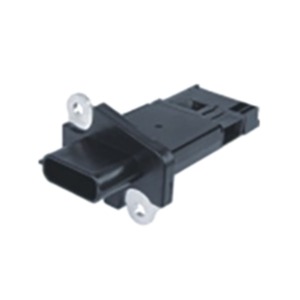
Vehicles produced by Mazda emphasize driving balance, fuel economy, and responsive acceleration. To support these performance characteristics, airflow data must remain stable and precise under varying engine loads, temperature conditions, and driving environments. Even slight signal deviations can influence engine smoothness and emission levels.
Advanced Sensing Technology
Most modern Mazda-compatible MAF sensors utilize hot wire or hot film sensing technology. The sensor maintains a heated element at a temperature above incoming air. As air flows over the element, cooling occurs proportionally to the mass of air entering the engine. The resulting electrical change is converted into a signal interpreted by the ECU.
Integrated microprocessors ensure fast response time and accurate signal transmission. Temperature compensation modules help correct variations caused by environmental changes, allowing consistent performance in cold starts and high-temperature conditions.
Material Selection and Structural Design
High-grade MAF sensors are constructed with platinum-coated or nickel alloy heating elements for enhanced sensitivity and long-term durability. The outer housing is typically made from reinforced engineering plastics capable of withstanding vibration, oil vapor exposure, and continuous heat cycles.
Sealing systems prevent contamination from dust and moisture, while precision connector terminals ensure stable electrical contact. Anti-corrosion coatings protect internal circuitry from humidity and chemical exposure.
Manufacturing Strength and Calibration Precision
Professional manufacturers rely on automated assembly lines and advanced airflow simulation equipment. Each Mass Air Flow Sensor For Mazda undergoes individual calibration to match specific engine parameters and voltage output curves.
Climate-controlled production environments minimize contamination risks during assembly. Digital inspection systems verify soldering quality, structural alignment, and output consistency. Laser coding enables full product traceability for batch management and after-sales tracking.
Comprehensive Quality Control Procedures
Quality assurance involves multiple testing stages, including airflow accuracy verification, voltage signal stability checks, high and low temperature endurance testing, vibration simulation, and electromagnetic compatibility evaluation.
Long-term durability testing replicates extended driving conditions to confirm that the sensor maintains stable output over thousands of operating hours. Only products meeting strict performance criteria proceed to packaging and shipment.
OEM and ODM Production Services
OEM production strictly follows original equipment technical specifications to ensure seamless compatibility with designated Mazda models. Plug-and-play installation reduces downtime and avoids recalibration complications.
ODM services provide flexible customization options, including housing modifications, labeling design, packaging solutions, and region-specific electrical adjustments. Engineering teams collaborate closely with automotive brands to optimize product positioning in different international markets.
International Market and Compliance Support
Manufacturers supplying global distributors typically operate under ISO-certified quality management systems. Products are supported with complete technical documentation, performance reports, and compliance certificates required for export to Europe, North America, and other regulated markets.
Scalable production capacity supports both small trial orders and large-volume distribution projects. Efficient logistics coordination ensures stable supply chains and timely delivery worldwide.
Identifying Failure Symptoms and Maintenance Importance
When a MAF sensor malfunctions, drivers may notice rough idling, reduced throttle response, increased fuel consumption, engine hesitation, or illuminated warning lights. In severe cases, the vehicle may enter protective mode to prevent further damage.
Timely replacement with a precision-calibrated Mass Air Flow Sensor For Mazda restores air-fuel balance, enhances engine efficiency, and supports long-term vehicle reliability.
Through advanced material engineering, automated calibration systems, strict multi-layer quality control, and strong OEM/ODM manufacturing capability, professional suppliers provide dependable airflow sensing solutions that meet the evolving demands of the global automotive aftermarket.
Related products
-
-
-
-
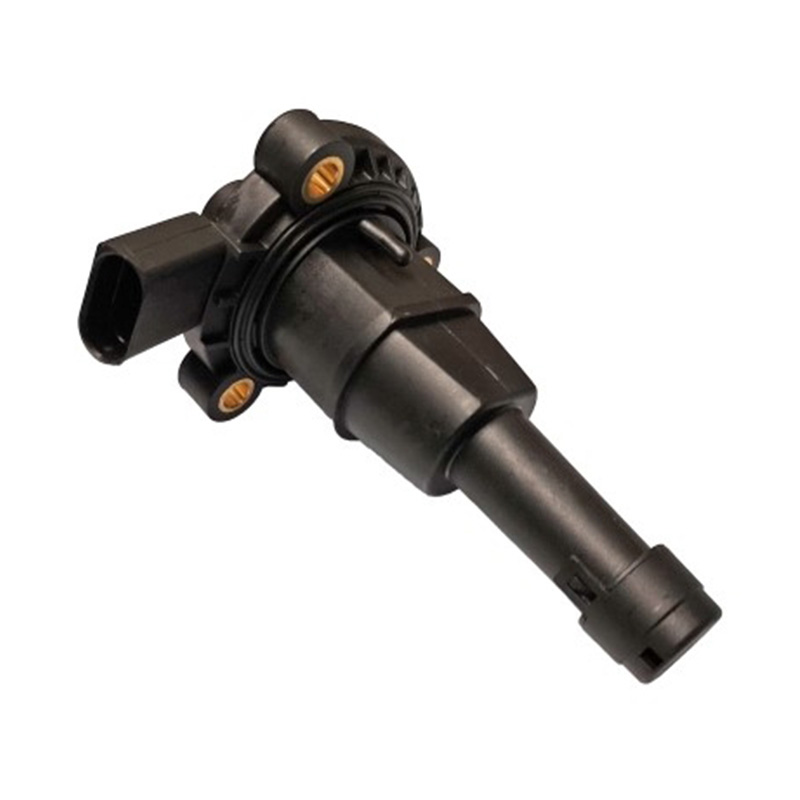
OEM.NO: 03F 907 660C. 03F 907 660D. 03F 907 660E95810360000
See Details -
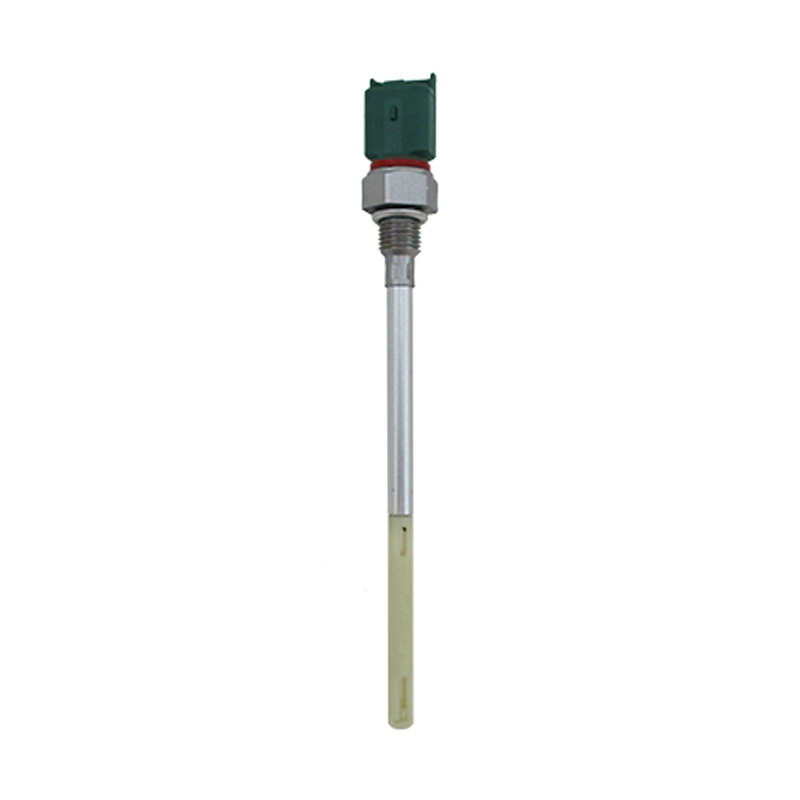
-
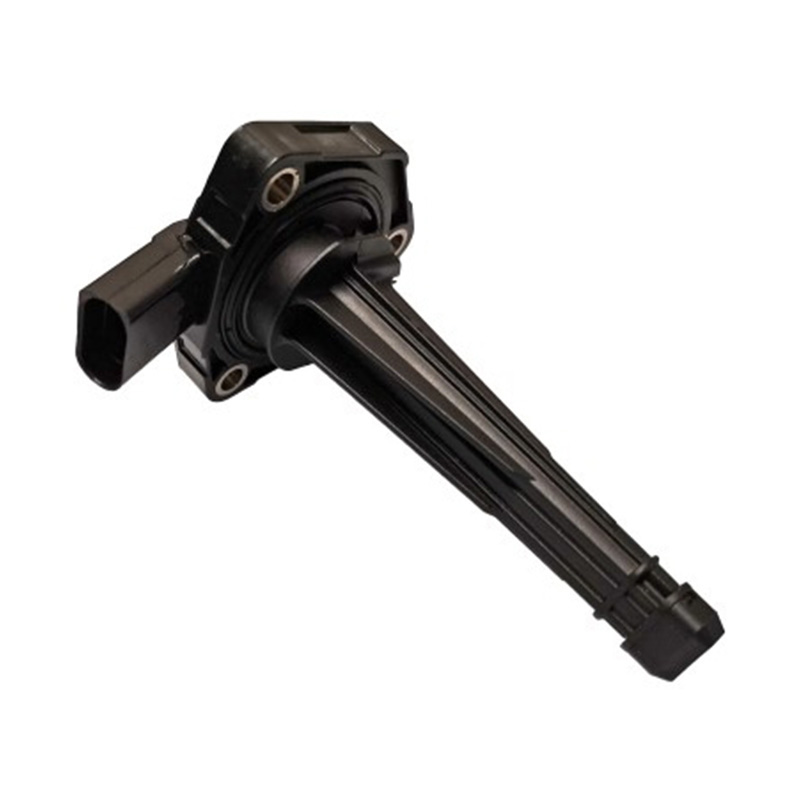

PRODUCTS
CONTACT INFO.
- +86-18057729678/+86-13587780979
- +86-577-62369668
- [email protected]
- No. 21 Xinda Road, xin'ao industrial zone, Hongqiao, Yueqing, Zhejiang, China
QR CODE
Copyright © Wenzhou Xinlianke Mold Industry Co., Ltd. All Rights Reserved.

Car Mass Air Flow Meter Manufacturer
 TOP
TOP