
 ENG
ENG
 English
 русский
 Français
 Español
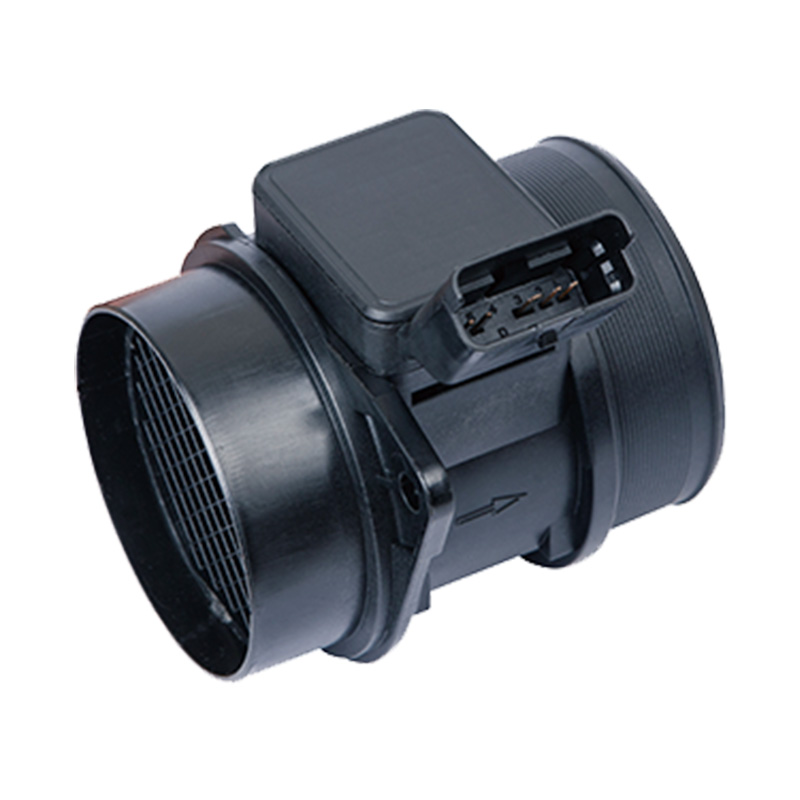
OEM.NO: 5WK9621 5WK9621Z 5WK9621I
See Details
REQUEST A QUOTE
Integrated Manufacturing for High Precision Engine Sensors
Industry Background and Market Demand
An Air Flow Meter Factory operates at the center of modern automotive engine control technology. As emission regulations become stricter worldwide and engines grow more electronically managed, accurate airflow measurement has become indispensable. The air flow meter directly influences fuel injection timing, combustion efficiency, emission output, and overall engine responsiveness.
With the rapid expansion of the global automotive aftermarket, factories must not only deliver precision but also maintain scalability. Demand comes from OEM vehicle manufacturers, regional distributors, and private-label automotive brands seeking stable supply chains and reliable technical support.
Advanced Manufacturing Infrastructure
A competitive factory invests heavily in automated production equipment. Fully automated assembly lines reduce manual handling errors and increase output consistency. Robotic soldering systems improve circuit reliability, while automated optical inspection equipment verifies solder joint quality and component alignment.
Dedicated airflow simulation chambers replicate real engine intake conditions. Each sensor is tested under controlled airflow rates to validate signal response curves. Cleanroom-style assembly areas minimize contamination risks, ensuring heating elements remain free from dust or residue that could affect measurement accuracy.
High-precision injection molding machines manufacture sensor housings using reinforced engineering plastics. Mold temperature control systems ensure dimensional accuracy, which is essential for maintaining stable airflow channels inside the sensor body.
Material Selection and Engineering Excellence
Material quality directly impacts performance and longevity. Platinum-coated hot wire elements or advanced hot film chips provide rapid thermal response and corrosion resistance. Reinforced polyamide or glass-fiber composites are commonly selected for sensor housings due to their strength and resistance to high temperatures and engine vibration.
Electronic components, including resistors and microprocessors, are sourced from reputable semiconductor suppliers. Circuit boards are coated with protective conformal layers to resist humidity and chemical exposure. Sealing rings are selected for oil resistance and long-term elasticity to prevent air leakage.
A robust supplier management system ensures raw materials meet strict technical specifications before entering production. Each material batch is inspected and recorded for traceability.
Precision Calibration Systems
Calibration is the core competence of an Air Flow Meter Factory. Advanced computer-controlled airflow benches simulate dynamic intake conditions across different temperature ranges. Sensors are individually adjusted to match specified voltage output curves corresponding to various engine models.
Software algorithms analyze signal deviations and automatically correct minor discrepancies. This automated calibration process improves accuracy while maintaining production efficiency. Each unit receives a unique identification code, enabling full traceability from assembly to shipment.
Multi-Level Quality Control Framework
A strong quality control system operates at multiple stages. Incoming quality inspection verifies material conformity. In-process inspection monitors assembly precision and electronic performance. Final inspection confirms airflow accuracy, response time, and signal stability.
Additional durability testing includes high-temperature aging, low-temperature cold start simulation, vibration resistance testing, and electromagnetic compatibility verification. Life cycle simulation replicates thousands of operational hours to ensure output stability over extended service periods.
Factories operating under internationally recognized quality management systems, such as ISO standards, maintain documented procedures and continuous improvement programs to reduce defect rates and enhance consistency.
Manufacturing Capacity and Flexible Production
Scalable production capacity is essential for serving global customers. A well-equipped factory can handle both small customized orders and high-volume mass production runs. Flexible production scheduling allows rapid switching between different product models without compromising quality.
Automated packaging lines improve efficiency and protect sensors during transportation. Integrated warehouse management systems coordinate inventory, ensuring timely shipment and stable supply chains for overseas clients.
Related products

PRODUCTS
CONTACT INFO.
- +86-18057729678/+86-13587780979
- +86-577-62369668
- [email protected]
- No. 21 Xinda Road, xin'ao industrial zone, Hongqiao, Yueqing, Zhejiang, China
QR CODE
Copyright © Wenzhou Xinlianke Mold Industry Co., Ltd. All Rights Reserved.

Car Mass Air Flow Meter Manufacturer
 TOP
TOP