
 ENG
ENG
 English
 русский
 Français
 Español
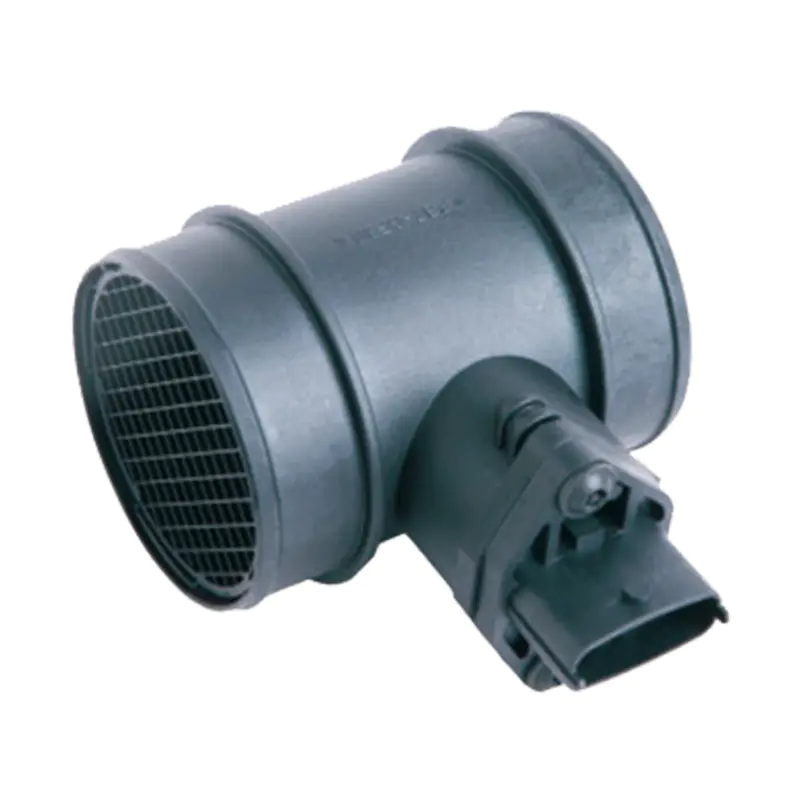
OEM.NO: 0281 002 180
See Details
REQUEST A QUOTE
Digital Air Flow Sensor Technology in Modern Systems
What Is a Digital Air Flow Sensor Used For
A Digital Air Flow Sensor is designed to measure the volume and velocity of air passing through a system and convert that information into a digital signal. The Digital Air Flow Sensor is commonly used in automotive engines, HVAC systems, industrial equipment, and environmental monitoring applications.
By providing precise airflow data, the Digital Air Flow Sensor supports system control units in making real-time adjustments for efficiency, performance, and safety.
How Does a Digital Air Flow Sensor Work
The Digital Air Flow Sensor operates using electronic sensing elements that detect changes in airflow. Unlike analog sensors, it processes measurements internally and outputs digital signals directly to the control system.
Inside the Digital Air Flow Sensor, airflow interacts with a sensing element such as a thermal wire or microelectromechanical system (MEMS). The sensor converts physical airflow into electrical signals, which are then digitized for accurate transmission and interpretation.
What Components Are Included in the Sensor
A Digital Air Flow Sensor typically consists of a sensing element, signal processing circuitry, microcontroller unit, housing, and electrical interface. Each component contributes to accurate measurement and reliable communication.
The housing of the Digital Air Flow Sensor protects internal electronics from dust, moisture, and external interference, ensuring stable operation across different environments.
Why Digital Output Improves Accuracy
The use of digital output in a Digital Air Flow Sensor reduces signal degradation that can occur in analog transmission. Data is processed internally before being transmitted, which improves accuracy and reduces noise interference.
The Digital Air Flow Sensor delivers more consistent readings, allowing control systems to respond quickly and precisely to airflow changes.
How Is the Sensor Applied in Different Systems
The Digital Air Flow Sensor is used in various applications including engine management systems, ventilation control, cleanroom monitoring, and industrial automation.
In automotive systems, the Digital Air Flow Sensor helps regulate air intake for combustion. In HVAC systems, it assists in maintaining proper airflow balance for temperature and air quality control.
What Factors Affect Performance and Reliability
Several factors can influence the performance of a Digital Air Flow Sensor, including temperature variation, humidity, contamination, and airflow turbulence. These conditions may affect measurement stability if not properly managed.
The Digital Air Flow Sensor is designed to operate under a range of environmental conditions, but maintaining clean airflow paths helps ensure consistent accuracy and long-term reliability.
How Is Calibration and Signal Processing Managed
Calibration is an important aspect of a Digital Air Flow Sensor to ensure measurement accuracy. During manufacturing, each sensor is calibrated to match specific performance standards.
The internal processing unit of the Digital Air Flow Sensor converts raw data into standardized digital output signals, allowing seamless integration with electronic control systems.
Where Is the Digital Air Flow Sensor Installed
The Digital Air Flow Sensor is typically installed in the airflow path of a system, such as an intake duct in vehicles or a ventilation channel in HVAC systems. Its placement allows it to measure airflow directly as it moves through the system.
Proper positioning of the Digital Air Flow Sensor ensures accurate readings without obstruction or distortion caused by surrounding components.
How Does It Support System Efficiency
By delivering real-time airflow data, the Digital Air Flow Sensor enables control systems to optimize performance. In engines, it helps regulate fuel injection, while in HVAC systems, it supports efficient air distribution.
The Digital Air Flow Sensor contributes to improved energy efficiency, stable operation, and better system responsiveness across different applications.
What Makes Digital Sensors Important in Modern Applications
The Digital Air Flow Sensor plays an important role in modern systems that require precise and reliable airflow measurement. Its ability to provide accurate digital data makes it suitable for automated control environments.
With increasing demand for efficiency and precision, the Digital Air Flow Sensor continues to be widely adopted in advanced engineering and industrial solutions.
Related products

PRODUCTS
CONTACT INFO.
- +86-18057729678/+86-13587780979
- +86-577-62369668
- [email protected]
- No. 21 Xinda Road, xin'ao industrial zone, Hongqiao, Yueqing, Zhejiang, China
QR CODE
Copyright © Wenzhou Xinlianke Mold Industry Co., Ltd. All Rights Reserved.

Car Mass Air Flow Meter Manufacturer
 TOP
TOP