
 ENG
ENG
 English
 русский
 Français
 Español
OEM.NO: 0281 002 180
See Details
REQUEST A QUOTE
Measuring Airflow Performance With an Air Meter System
What Is an Air Meter and Why Is It Used
An Air Meter is a device designed to measure the volume, velocity, or pressure of air within a system. The Air Meter is commonly used in automotive engines, HVAC systems, laboratories, and industrial environments where airflow monitoring is required.
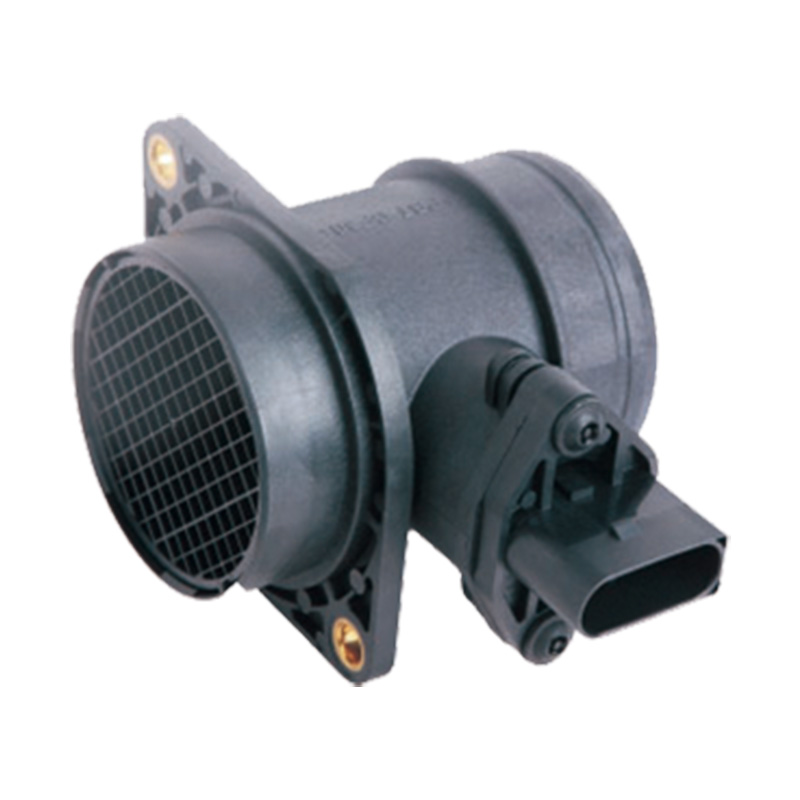
By providing airflow data, the Air Meter helps control systems adjust operations for efficiency, safety, and performance optimization.
How Does an Air Meter Work
The Air Meter operates by detecting changes in airflow through mechanical or electronic sensing methods. Depending on the design, it may use a vane, thermal element, or pressure-based system to capture airflow characteristics.
The Air Meter converts physical airflow into measurable signals that can be interpreted by control units or displayed for analysis. This allows users or systems to understand airflow behavior in real time.
What Components Make Up an Air Meter
An Air Meter typically includes a sensing element, housing, measurement mechanism, and output interface. These components work together to ensure accurate detection and signal transmission.
The housing of the Air Meter protects internal parts from environmental factors such as dust, moisture, and debris, helping maintain stable performance during operation.
Why Is Airflow Measurement Important
Accurate airflow measurement is essential for maintaining system balance. The Air Meter ensures that sufficient air is supplied for combustion in engines or proper ventilation in enclosed environments.
Without reliable data from the Air Meter, systems may experience inefficiencies, inconsistent performance, or improper regulation of air-related processes.
How Is an Air Meter Used in Automotive Systems
In automotive applications, the Air Meter plays a role in measuring the air entering the engine intake system. This data is used by the engine control unit to adjust fuel injection and maintain the correct air-fuel ratio.
The Air Meter helps improve combustion efficiency, engine stability, and emission control by ensuring that the engine receives the appropriate amount of air under different driving conditions.
What Are the Different Types of Air Meters
There are several types of Air Meter designs, including mechanical vane meters, hot-wire sensors, and digital airflow sensors. Each type operates on different principles but serves the same core function of measuring airflow.
The Air Meter type selected depends on the application requirements, including accuracy, response time, and environmental conditions.
What Factors Affect Air Meter Accuracy
Several factors can influence the accuracy of an Air Meter, such as temperature, humidity, contamination, and airflow turbulence. These conditions may interfere with measurement if not properly controlled.
A well-designed Air Meter is built to minimize external interference and maintain consistent readings across varying environments.
How Is Maintenance Typically Handled
Maintenance of an Air Meter involves periodic inspection and cleaning to ensure proper operation. Removing dust or residue from the sensing components helps maintain measurement accuracy.
If the Air Meter becomes unreliable or damaged, replacement may be necessary to restore proper airflow monitoring and system performance.
Where Are Air Meters Commonly Installed
The Air Meter is typically installed in airflow paths such as intake ducts, ventilation channels, or piping systems. Its placement allows it to measure air as it moves through the system.
Proper installation of the Air Meter ensures that airflow is measured without obstruction, causing more accurate and consistent results.
How Does an Air Meter Contribute to System Efficiency
By providing real-time airflow data, the Air Meter enables systems to adjust their operations dynamically. This helps improve energy efficiency, maintain stability, and optimize performance.
The Air Meter plays a key role in ensuring that air-dependent systems operate within desired parameters, supporting both functionality and reliability across a wide range of applications.
Related products
-
-
-
-
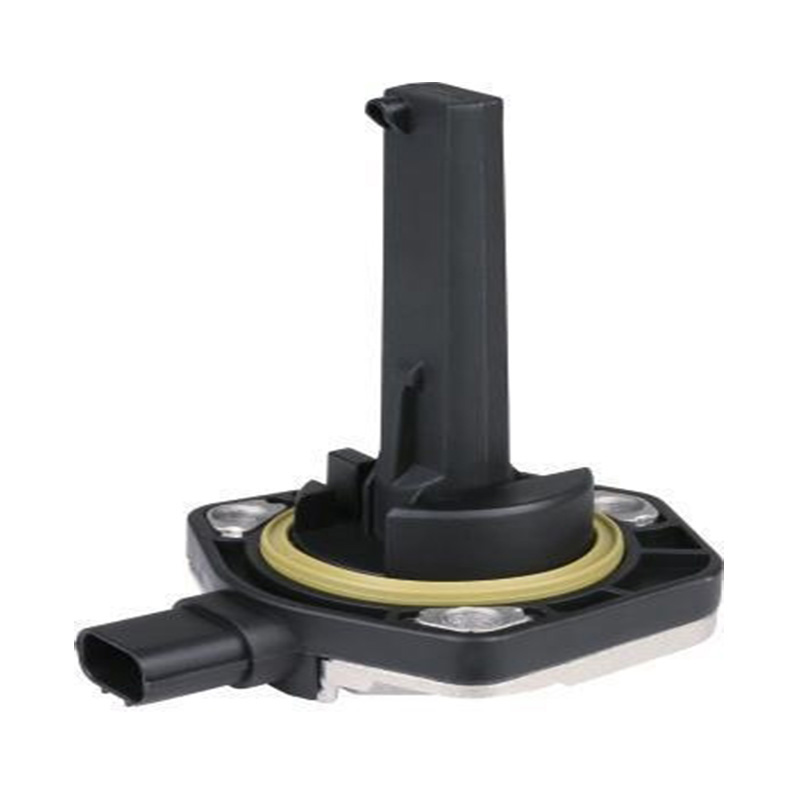
-
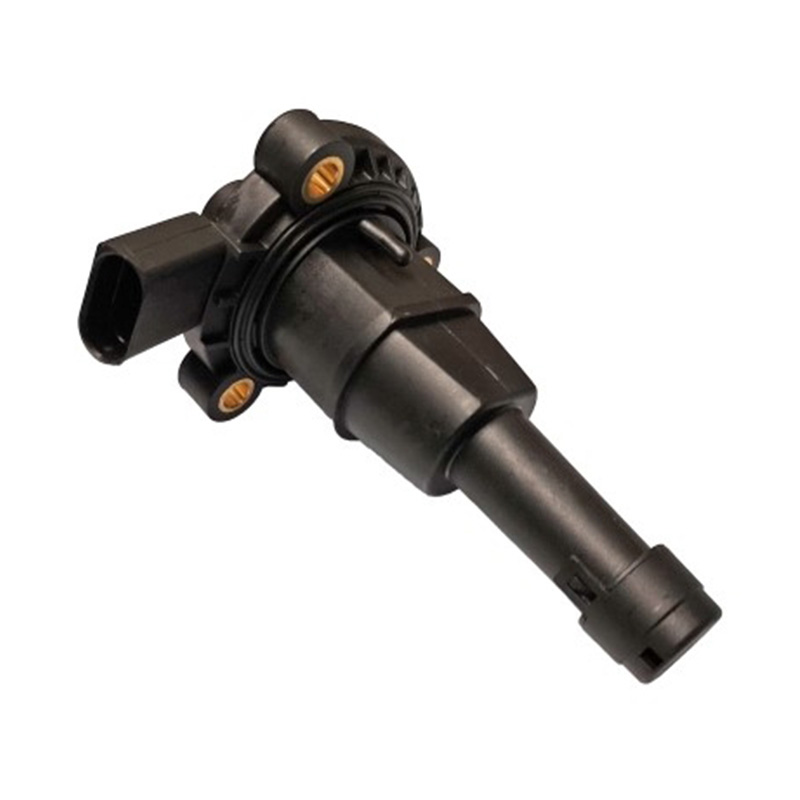
OEM.NO: 03F 907 660C. 03F 907 660D. 03F 907 660E95810360000
See Details -
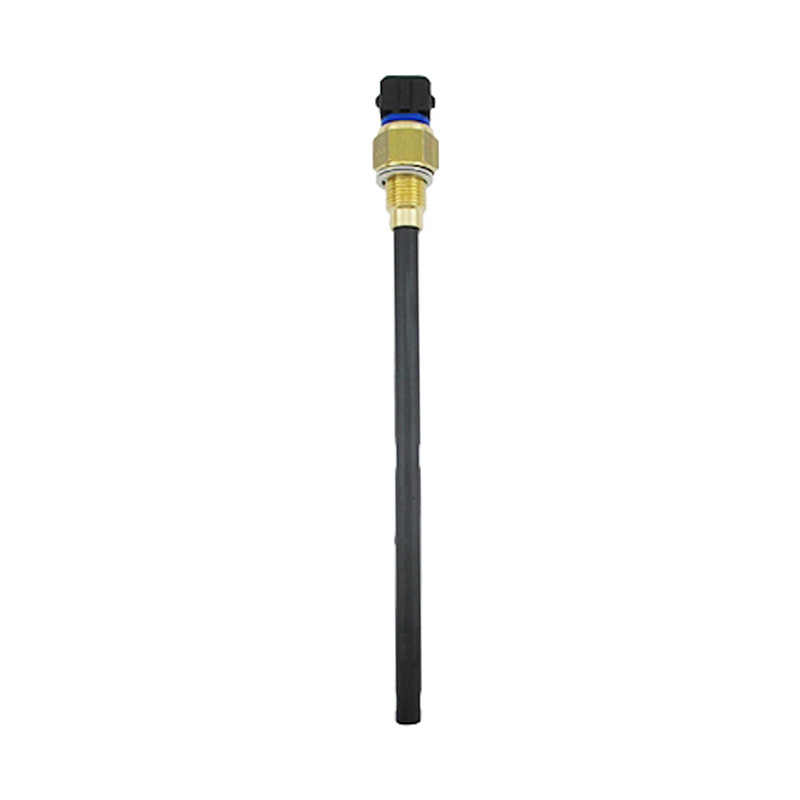
OEM.NO: 8200466969. 82006705338200823348. 8229041172000Q3D....
See Details

PRODUCTS
CONTACT INFO.
- +86-18057729678/+86-13587780979
- +86-577-62369668
- [email protected]
- No. 21 Xinda Road, xin'ao industrial zone, Hongqiao, Yueqing, Zhejiang, China
QR CODE
Copyright © Wenzhou Xinlianke Mold Industry Co., Ltd. All Rights Reserved.

Car Mass Air Flow Meter Manufacturer
 TOP
TOP