
 ENG
ENG
 English
 русский
 Français
 Español
OEM.NO:0280 217 121 0280 217 122 0986 280 202
See Details
REQUEST A QUOTE
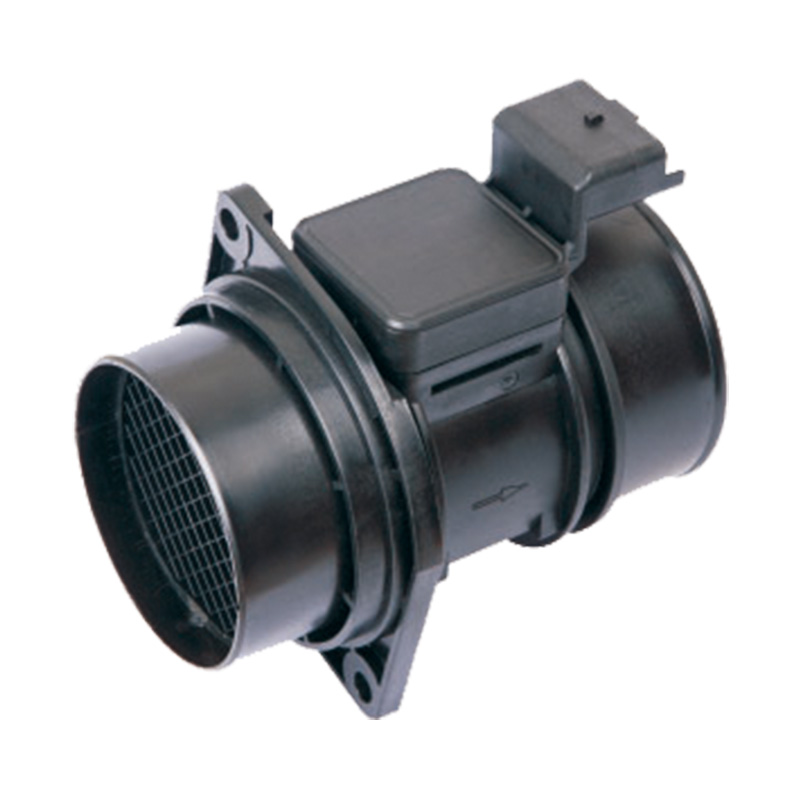
How Does Air Flow Sensor Meter Work In Real Engine Environment
Inside a running engine, air is constantly moving. Every press of the accelerator changes the amount flowing through the intake system, sometimes gradually and sometimes within a very short moment. Fuel delivery depends on those changes, which means the engine cannot rely on a fixed estimate of airflow.
A vehicle waiting at a traffic light requires a different air supply than the same vehicle merging into fast-moving traffic. Driving through a crowded city street, climbing a long incline, or carrying additional weight can all alter the amount of air entering the intake path.
Because operating conditions never remain exactly the same, the engine needs a way to follow those changes as they happen. The Air Flow Sensor Meter serves that purpose. Rather than allowing the control system to guess how much air is available, it provides a continuous picture of intake conditions while the vehicle is running.
From the driver's seat, airflow is invisible. Nothing can be seen moving through the intake system. Yet every combustion cycle depends on that airflow being measured and interpreted correctly. Without that information, maintaining stable operation becomes far more difficult.
Where Does The Air Flow Sensor Meter Fit Within The Intake System
Air follows a defined route before reaching the combustion chamber. Along that route, the Air Flow Sensor Meter occupies a position where incoming air can be observed before it enters deeper sections of the engine.
The location is not chosen randomly. Air passing through the sensor needs to be relatively organized so that measurement remains consistent. Excessive turbulence can make airflow harder to interpret, which is why the sensor is typically installed where the stream is more predictable.
As air passes through the sensing area, the device monitors changes in flow and sends corresponding information to the control system. The component itself may appear small compared with larger engine parts, yet it remains active whenever the engine is operating.
Whether the vehicle is sitting still, moving through traffic, or traveling over long distances, airflow continues to pass through the same measurement point. That ongoing observation allows the engine to react to changing conditions instead of relying on fixed assumptions.
How Does Airflow Change During Everyday Driving
Air demand rises and falls constantly throughout a normal journey. Even a short drive can expose the intake system to a wide range of operating conditions.
At idle, airflow remains relatively gentle because engine demand is low. The amount required is only enough to maintain stable combustion while the vehicle remains stationary.
Once movement begins, intake demand starts to shift. Accelerating away from an intersection draws in more air. Releasing the accelerator reduces demand again. Traffic conditions can create dozens of similar changes within a single trip.
Long climbs place another type of demand on the engine. More effort is required to maintain movement, which increases airflow needs for an extended period. Similar conditions can occur when carrying heavy cargo or traveling through difficult terrain.
Environmental factors add another layer of variation. Air temperature, humidity, and atmospheric conditions influence the characteristics of the incoming air. Drivers may never notice those differences directly, though the engine responds to them continuously.
| Driving Situation | Airflow Character |
|---|---|
| Idle operation | Light and steady |
| Stop-and-go traffic | Frequent variation |
| Acceleration | Rapid increase |
| Sustained load | Elevated demand |
| Deceleration | Reduced airflow |
The changing nature of airflow explains why measurement must remain active throughout engine operation rather than occurring occasionally.
How Does The Air Flow Sensor Meter Respond To Moving Air
The sensing process begins the moment air enters the measurement area. As airflow changes, the sensor responds to those changes and converts physical movement into information that can be processed by the engine management system.
A stronger airflow creates a different response than a lighter airflow. The sensor continuously follows those variations and communicates them as operating conditions change.
Nothing about the process is static. Air entering the engine behaves more like a moving stream than a fixed volume. Every adjustment of engine demand changes the characteristics of that stream.
Several influences can affect what the sensor detects:
- changing engine load
- throttle movement
- environmental conditions
- intake system airflow patterns
The Air Flow Sensor Meter therefore acts as an observer positioned within the airflow path, tracking how the stream changes from one moment to the next.
Its importance comes not from size or visibility, but from the fact that airflow conditions are always changing while the engine is running.
Why Accurate Air Measurement Influences Everyday Driving
Many aspects of engine behavior are linked to airflow information, even though drivers rarely think about it during normal use.
When airflow readings closely reflect actual intake conditions, fuel delivery can be adjusted more appropriately to match engine demand. As a result, engine response tends to feel smoother during acceleration, idle operation, and changing traffic conditions.
The influence extends into several areas of daily driving:
- steadier idle behavior
- smoother response to accelerator input
- more consistent combustion conditions
- reduced tendency toward hesitation during operation
A difference between actual airflow and reported airflow creates a challenge for the control system. Decisions are then based on information that no longer fully represents what is happening inside the intake path.
Over time, even small inaccuracies can influence how the engine reacts to changing conditions.
How Does Airflow Information Become Part Of Engine Control Decisions
Once airflow data leaves the Air Flow Sensor Meter, it becomes part of a much larger decision-making process inside the engine management system.
The control system continuously compares incoming airflow information with current operating conditions. Fuel delivery is adjusted according to the amount of air entering the engine rather than remaining fixed.
During acceleration, airflow increases and the system responds accordingly. During idle operation, airflow demand decreases and adjustments follow. Similar changes occur throughout every stage of driving.
The process repeats continuously because engine conditions never remain unchanged for long. Traffic patterns shift, road conditions vary, and driver input changes from moment to moment.
The Air Flow Sensor Meter therefore functions as an information source rather than a standalone component. Its role is to help the control system maintain a clearer understanding of what is happening inside the intake system while the engine is operating under real-world conditions.
What Kind Of Conditions Affect Sensor Behavior During Driving
Once an engine leaves controlled testing and enters daily road movement, intake air no longer arrives in a stable form. Air carries small particles from roads, humidity changes with weather, and temperature shifts occur even within a single trip. All of these variations pass through the same intake path where the Air Flow Sensor Meter is positioned.
Dust gradually moves through the air stream and may settle in areas around the sensing zone. Moisture behaves differently, sometimes appearing during cold starts or humid conditions, slightly changing how air passes through narrow intake sections. Temperature differences influence air density, which changes how the same volume of air behaves inside the system.
Vibration from engine operation adds another layer. It does not interrupt airflow measurement directly, yet it creates a constant mechanical background that the sensor must remain stable within. Over time, these conditions overlap rather than appearing separately, forming a mixed environment that never stays identical from one moment to the next.
Common influences in real driving include:
- airborne particles entering intake flow
- moisture variation across weather conditions
- temperature shifts during operation cycles
- continuous engine vibration during movement
Each influence is small on its own, yet together they define the environment where airflow measurement takes place.
What Happens When Airflow Information Loses Consistency
Engine behavior depends heavily on matching airflow with fuel delivery. When airflow information no longer reflects actual intake conditions, the control system continues working, yet decisions become less aligned with real engine demand.
Idle operation may begin to feel uneven because airflow reading does not fully match what is entering the combustion path. During acceleration, response may lose its smooth transition, especially when airflow changes quickly and the system reacts based on delayed or distorted input.
Over longer driving periods, small inconsistencies tend to accumulate rather than appear all at once. The engine may still run, yet the sense of steady adaptation becomes weaker.
Typical signs associated with unstable airflow interpretation include:
- irregular idle rhythm during stationary operation
- delayed reaction during throttle movement
- uneven response under steady cruising
- slight variation in combustion smoothness
None of these changes happen suddenly. They usually develop gradually as airflow conditions and measurement feedback move out of alignment.
How Air Flow Sensor Manufacturer Design Choices Influence Stability
Design structure created by an air flow sensor manufacturer shapes how well the sensor continues to operate under changing intake conditions. Since airflow inside an engine is never clean or uniform, protective and structural design becomes part of measurement reliability.
Inside the sensing area, exposure to particles and airflow turbulence must be controlled without blocking natural air movement. Material selection affects how consistently the sensor responds to changing airflow pressure. Structural housing determines how well external vibration is absorbed before reaching sensitive components.
Balancing sensitivity remains another important aspect. A sensor that reacts too strongly may introduce unstable readings during minor airflow fluctuations. A slower response may fail to capture rapid changes during acceleration or deceleration. The usable range exists between those two behaviors.
Key design considerations include:
- resistance to intake contamination buildup
- stability under continuous vibration exposure
- controlled airflow response behavior
- long-term consistency under repeated operation cycles
Design does not remove environmental influence, yet it shapes how strongly those conditions affect measurement output during real use.
How Maintenance Conditions Shape Long-Term Measurement Behavior
As intake systems operate over long periods, airflow paths naturally collect fine residue from incoming air. Even with filtration systems in place, small particles may gradually reach areas near the sensing region. Over time, this slow accumulation can influence how air passes across the measurement zone.
When airflow paths remain relatively clean, the sensor continues to operate under more predictable conditions. When residue builds up, airflow movement near the sensing element becomes less uniform, which can influence how readings reflect actual intake conditions.
Maintenance practices often focus on keeping airflow pathways stable rather than modifying sensor behavior directly. Clean surrounding passages allow air to move with fewer disturbances before reaching the sensing area.
Typical maintenance focus points include:
- keeping intake channels clear of buildup
- maintaining unobstructed airflow routes
- checking for signs of restricted air entry
- preserving stable air movement conditions
Regular maintenance does not change the internal function of the Air Flow Sensor Meter, yet it supports the conditions needed for more consistent airflow measurement over time.
Why Airflow Accuracy Continues To Matter Throughout Engine Operation
An engine does not remain in a single operating state. Driving conditions shift continuously, from idle movement to rapid acceleration, from steady cruising to sudden load changes. Airflow measurement remains part of every transition.
When airflow readings stay aligned with real intake conditions, fuel delivery adjustments follow engine demand more naturally. That alignment helps maintain steady combustion behavior across different driving scenarios.
Accurate airflow interpretation supports:
- smoother response during changing driving conditions
- stable adjustment between low and high load states
- consistent interaction between air intake and fuel delivery
- continuous adaptation throughout engine operation cycles
Even though the Air Flow Sensor Meter is not directly visible during driving, its influence remains present in how the engine responds to everyday movement and changing road conditions.
Related products
-
-
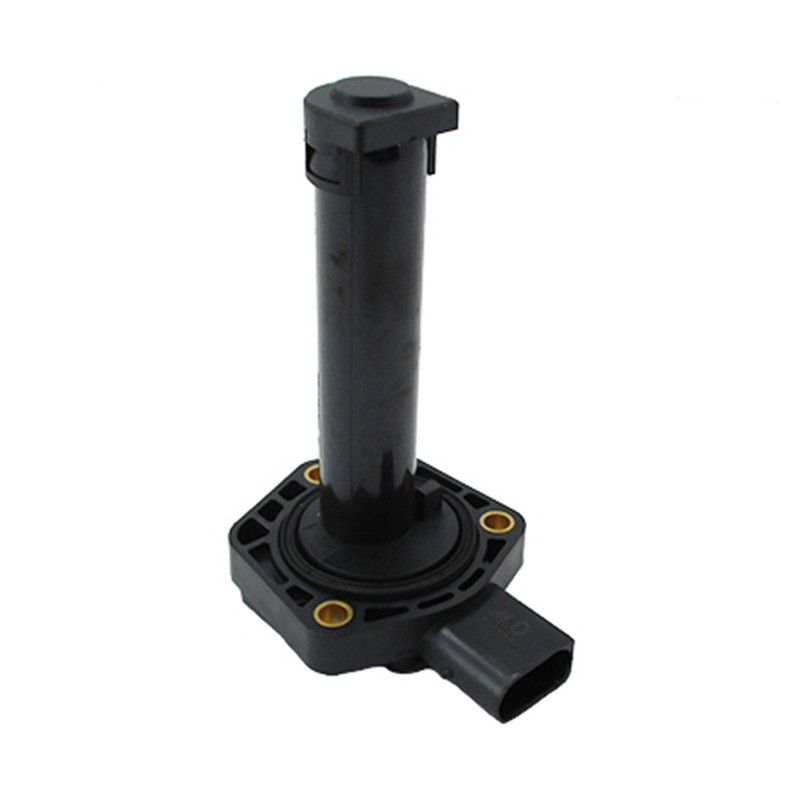
OEM.NO:12610148464. 12610400034. 1261041243012610422012. 126...
See Details -
-
-
-

PRODUCTS
CONTACT INFO.
- +86-18057729678/+86-13587780979
- +86-577-62369668
- [email protected]
- No. 21 Xinda Road, xin'ao industrial zone, Hongqiao, Yueqing, Zhejiang, China
QR CODE
Copyright © Wenzhou Xinlianke Mold Industry Co., Ltd. All Rights Reserved.

Car Mass Air Flow Meter Manufacturer
 TOP
TOP