
 ENG
ENG
 English
 русский
 Français
 Español
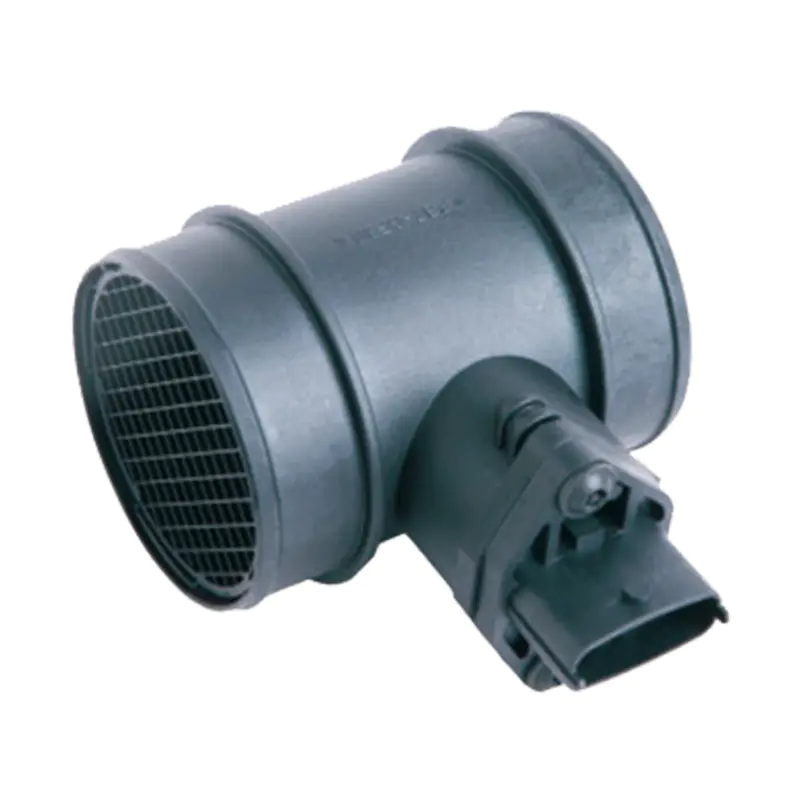
OEM.NO: 0281 002 180
See Details
REQUEST A QUOTE
How Does Automotive Air Flow Sensor Affect Engine Stability
Inside a running engine, air is constantly moving in and out of different channels. It is not a fixed flow, and it changes depending on how the vehicle is being driven. An Automotive Air Flow Sensor sits in the intake path and quietly keeps track of this movement.
Its job is not complicated in concept. It measures how much air is entering and turns that movement into information the engine system can use. Without this kind of input, the engine would be guessing how much air is available for combustion.
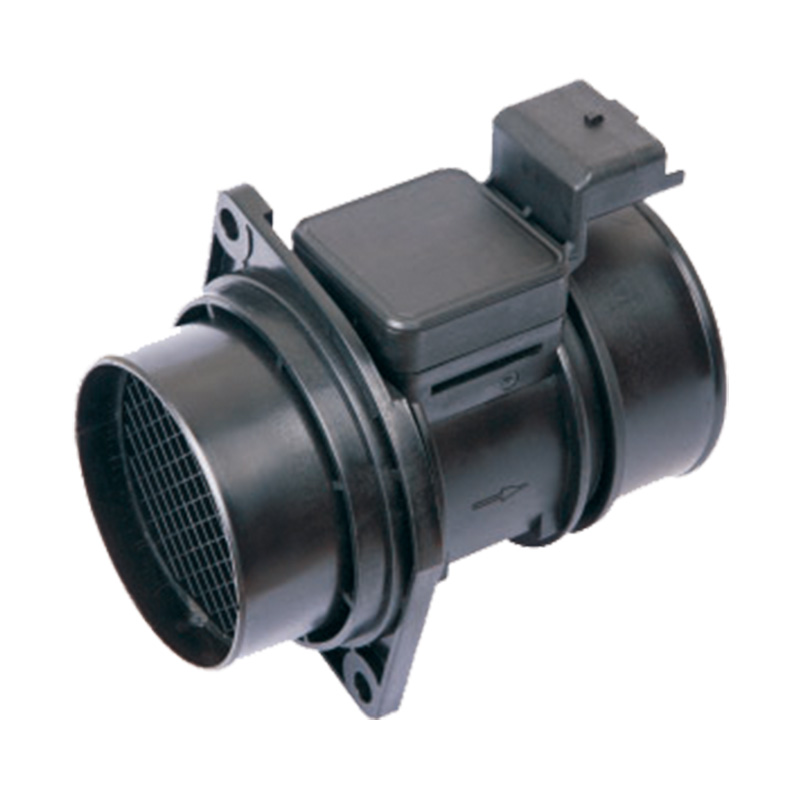
In many systems, an Airflow Meter Sensor is placed in the same intake path or works alongside it. It helps capture small changes in airflow so the engine can react in a more controlled way.
A simple flow looks like this:
- Air enters the intake
- Sensor reads airflow changes
- Signal is sent to engine system
- Engine adjusts air and fuel behavior
Nothing here is isolated. Each step depends on the previous one. If airflow is not read clearly, the engine loses one of its basic reference points.
How Does Airflow Meter Sensor Work In Real Driving Conditions
Driving is never steady for long. Even a short trip includes slow movement, acceleration, and small changes in road load. The Airflow Meter Sensor has to deal with all of this without pause.
When the car moves slowly, air enters in a calm and steady way. When the driver steps on the accelerator, airflow increases quickly. When speed stabilizes again, the airflow settles down. The sensor follows these changes as they happen.
In real conditions, airflow is influenced by:
- Gentle driving with steady intake
- Sudden acceleration or braking
- Long steady cruising periods
- External air movement around the intake
What matters is not only the amount of air, but how fast it changes. The engine reacts differently when airflow is stable compared to when it is shifting quickly.
So the sensor is always in the background, tracking small changes and sending updates as the situation changes.
Why Air Measurement Accuracy Affects Engine Performance Stability
Engine stability depends a lot on how clearly airflow is understood. If the air reading is steady, the engine can keep its balance more easily. If the reading keeps shifting, the engine has to adjust more often.
Air and fuel always work together. One affects the other. Airflow is one of the main signals used to decide how much fuel should be delivered.
When airflow reading is steady:
- Engine response feels more even
- Acceleration changes feel smoother
- Fuel adjustment stays more consistent
When airflow reading is unstable:
- Engine adjusts more often
- Response can feel slightly uneven
- Balance between air and fuel becomes less steady
| Component | What It Does | Effect in Use |
|---|---|---|
| Automotive Air Flow Sensor | Reads incoming air | Helps stabilize engine response |
| Airflow Meter Sensor | Tracks airflow change | Refines airflow signal behavior |
How Automotive Air Flow Sensor Supports Smooth Engine Operation
An engine is always adjusting itself while it runs. It does not stay in one fixed condition. The Automotive Air Flow Sensor helps keep these adjustments from becoming too irregular.
As air enters the engine, the sensor does not control it. It only observes and reports. The engine then uses this information to decide how to react.
In daily driving, this leads to:
- More consistent response when accelerating
- Less noticeable hesitation during airflow change
- Smoother transition between speeds
- More stable engine behavior during normal use
The sensor works in a cycle. Air enters, is measured, adjusted, and then measured again. This loop keeps the engine behavior from becoming unpredictable.
What Factors Influence Automotive Air Flow Sensor Behavior Over Time
Even though the sensor is built for continuous use, the environment around it is not always clean or stable. Air moving through the intake can carry dust, moisture, and small particles.
Over time, these conditions may slowly affect how the sensor behaves.
Common influences include:
- Dust collecting in airflow passages
- Changes in intake channel condition
- Small variation in sensing response over long use
- Electrical signal changes during extended operation
- Air quality differences depending on environment
These changes usually happen slowly. The sensor does not suddenly stop working, but its readings may shift slightly over time depending on conditions.
This is part of normal wear in airflow-based systems.
How Airflow Meter Sensor Interacts With Engine Response
The Airflow Meter Sensor is part of a communication loop inside the engine system. It does not make decisions by itself. It sends airflow information, and the engine reacts based on that information.
The process is continuous:
- Air enters intake system
- Sensor detects airflow movement
- Signal is passed to engine system
- Engine adjusts internal balance
This cycle repeats while the engine is running. Even small airflow changes are captured and translated into engine adjustments.
When this communication is stable, engine behavior feels more predictable. When the signal is less steady, the engine may adjust more often than usual.
What Happens When Airflow Measurement Becomes Less Stable
If airflow readings are not consistent, the engine has less reliable information to work with. It continues to run, but its adjustments may become more frequent.
In real driving, this can feel like:
- Slight changes in acceleration response
- Less steady behavior at constant speed
- Delayed adjustment during airflow shifts
- Uneven balance between air and fuel
These effects are usually subtle, but they can influence how smooth the engine feels during everyday use.
How Automotive Air Flow Sensor Relates To Fuel And Air Balance
Inside the engine, air and fuel must stay balanced. The Automotive Air Flow Sensor provides the airflow part of that balance.
When airflow is measured clearly, fuel delivery can be adjusted in a more stable way. When airflow changes unexpectedly, the system has to respond more frequently.
The relationship is straightforward:
- Airflow reading guides fuel adjustment
- Stable airflow supports balanced operation
- Continuous measurement helps steady behavior
- Variation in airflow affects timing of adjustments
This connection is one of the key reasons airflow sensing is important in modern engine systems.
How Installation Position Changes What The Sensor Actually Reads
Where the Automotive Air Flow Sensor sits inside the intake pipe quietly changes the kind of air information it receives. Air inside a pipe is not calm. It can twist, speed up, slow down, and sometimes form uneven movement depending on the shape of the channel.
If the sensor is placed in a section where air is still unstable, the reading will naturally reflect that instability. If it is positioned where airflow has already settled, the signal tends to look more even.
That difference shows up in daily driving more than people expect.
A practical way to think about it:
- unstable airflow zone gives more fluctuating signals
- smoother airflow zone gives steadier readings
- position affects how fast changes are detected
- small placement shifts can change response feel
The Airflow Meter Sensor reacts directly to these conditions. It is not "choosing"how to behave; it is simply reflecting what the air is doing at that exact point.
How Simple Maintenance Changes Long Term Sensor Behavior
This type of sensor does not wear in a dramatic way. Instead, it changes slowly based on what passes through it every day.
Air carries dust, fine particles, and sometimes oil mist. Over time, small amounts can settle around the sensing area. Nothing may seem wrong, but airflow becomes slightly harder to read cleanly.
In real use, maintenance usually comes down to basic habits:
- keeping intake path clean enough for steady airflow
- checking for buildup around airflow channels
- making sure connectors stay stable over time
- paying attention to small changes in engine response
The Automotive Air Flow Sensor does not usually fail suddenly from light buildup. What happens more often is a gradual softening of signal clarity.
The Airflow Meter Sensor shows similar behavior. When airflow cannot pass freely, the signal becomes less precise, and the engine has to adjust more often to compensate.
What Slowly Changes After Long Periods Of Use
With time, every airflow-based system starts to show small differences compared to when it was new. It is not a breakdown, more like a shift in how sensitive the readings feel.
The Airflow Meter Sensor may still function normally, but the speed and sharpness of its response can change slightly in certain driving conditions.
Some typical long-term changes include:
- airflow changes take slightly longer to register
- small variations appear during quick acceleration
- steady driving feels less "tight"in response
- signal behavior becomes less sharp in transitions
These changes are usually gradual. Drivers often notice them indirectly through how the engine feels rather than seeing any clear warning.
| Driving Situation | Earlier Behavior | Later Behavior |
|---|---|---|
| steady cruising | stable and consistent feel | still stable but less crisp |
| quick acceleration | immediate response to airflow change | slight delay in adjustment |
| stop and go driving | smooth transitions | mild hesitation between changes |
| long continuous driving | steady output | small variation over time |
The system is still working, but the "feel"of the response can shift depending on accumulated conditions.
How Driving Style Shapes Airflow Feedback
Driving style has a quiet influence on how the sensor behaves over time. It is not about one trip, but repeated patterns.
Smooth driving produces steadier airflow. Frequent acceleration and braking create more rapid airflow changes. Each pattern puts the sensor in a different working rhythm.
In real conditions, airflow usually falls into a few simple behaviors:
- steady airflow during calm driving
- fast changes during acceleration or load shifts
- mixed patterns in city traffic
- more balanced flow during continuous driving
The Automotive Air Flow Sensor follows these patterns without deciding anything. It simply records what the air is doing.
The Airflow Meter Sensor helps capture smaller variations that are not always obvious but still affect engine reaction.
How Sensor Feedback Connects To Real Driving Feel
Even though drivers never see airflow signals directly, they feel the result through engine behavior.
When airflow reading is steady, the engine tends to respond in a more predictable way. When readings vary, the engine adjusts more often, and the change can be felt as small differences in response timing.
The chain is simple:
- air enters intake
- sensor reads movement
- signal goes to engine system
- engine adjusts fuel and response
- driver feels final movement behavior
Nothing here happens in isolation. It is a continuous loop happening while the vehicle is running.
How Surrounding Conditions Influence Sensor Reading
Air entering the engine is never exactly the same. Even outside conditions can shift how airflow behaves inside the intake system.
Some influencing factors include:
- dust level in surrounding air
- changes in temperature affecting air movement
- moisture in incoming airflow
- pressure changes during movement
The Automotive Air Flow Sensor does not filter these conditions. It reads them as part of real airflow behavior.
The Airflow Meter Sensor also reflects these variations, especially when airflow becomes more unstable during driving changes.
How Continuous Feedback Keeps The Engine Balanced
The Airflow Meter Sensor is part of a constant loop between air measurement and engine reaction. It does not send one-time signals. It keeps updating as long as the engine is running.
The cycle is always repeating:
- air enters intake system
- sensor detects airflow changes
- signal is sent to engine control
- engine adjusts combustion behavior
- airflow is measured again
This loop is what keeps the engine from drifting too far away from balance during normal driving.
When airflow is steady, the loop runs quietly in the background. When airflow changes quickly, the loop becomes more active.
Most of the work done by the Automotive Air Flow Sensor is not visible to the driver. It does not create power or change output directly. Instead, it helps the engine understand what kind of air is entering at any moment.
That understanding is what allows the engine to react in a controlled way instead of guessing.
The Airflow Meter Sensor adds another layer of detail to that process, helping the system respond more smoothly to small airflow changes.
In everyday driving, this shows up as consistent behavior rather than sudden shifts. The system quietly adapts in the background while the vehicle moves through different conditions.
Related products

PRODUCTS
CONTACT INFO.
- +86-18057729678/+86-13587780979
- +86-577-62369668
- [email protected]
- No. 21 Xinda Road, xin'ao industrial zone, Hongqiao, Yueqing, Zhejiang, China
QR CODE
Copyright © Wenzhou Xinlianke Mold Industry Co., Ltd. All Rights Reserved.

Car Mass Air Flow Meter Manufacturer
 TOP
TOP