
 ENG
ENG
 English
 русский
 Français
 Español
OEM.NO: 5WK9631 5WK9631Z
See Details
REQUEST A QUOTE
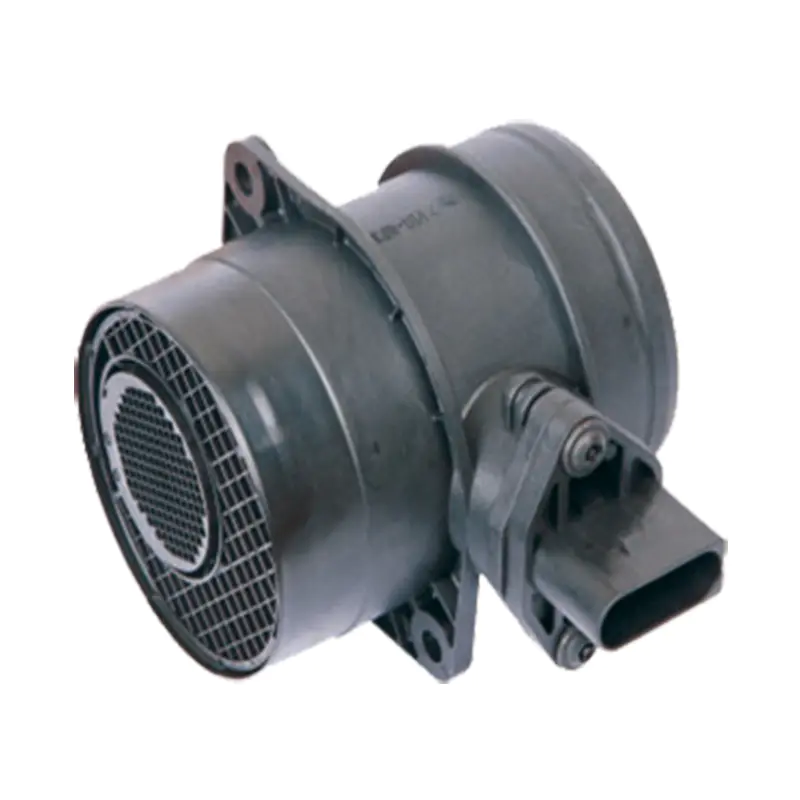
Precision Engineering in the Auto Air Flow Sensor for Audi
Defining Its Role in Audi's Engine Management
The auto air flow sensor for Audi, or Mass Air Flow sensor, is a critical electronic component within the vehicle's engine control system. Its primary function is to precisely measure the mass of air entering the engine's intake manifold. This real-time data is sent to the Engine Control Unit, which uses it as a fundamental variable to calculate the amount of fuel for combustion, adjust ignition timing, and manage emissions systems. In Audi's high-performance and efficiency-focused engines, such as the TFSI and TDI families, the accuracy of this auto air flow sensor is paramount. Even minor deviations in its signal can disrupt the air-fuel ratio, causing noticeable symptoms like reduced power, hesitant acceleration, increased fuel consumption, and elevated emissions, potentially triggering the vehicle's check engine light.
Sensor Technology and Model-Specific Integration
Audi utilizes advanced hot-film or hot-wire mass air flow sensors. The sensing element, often a platinum wire or a thin film on a silicon chip, is heated to a specific temperature. Incoming air cools the element, and the control circuit measures the electrical current required to maintain its temperature, a value directly proportional to the air mass. The auto air flow sensor for Audi is not a universal part; it is specifically calibrated for the airflow characteristics of each engine variant. The sensor's housing, connector type, and internal calibration map are engineered to match the unique intake tract design and performance profile of a particular Audi model and engine code (e.g., 2.0T FSI, 3.0 TDI), ensuring seamless integration with the vehicle's proprietary ECU software.
Common Failure Patterns and Diagnostic Indicators
The auto air flow sensor for Audi is susceptible to specific failure modes. Contamination is a primary cause; oil vapors from the crankcase ventilation system, dirt from a compromised air filter, or carbon buildup can coat the delicate sensing element, insulating it and causing inaccurate readings. Electrical faults, such as damaged wiring in the harness or corrosion at the connector, can also interrupt the signal. Symptoms of a failing sensor are often pronounced: a rough or unstable idle, noticeable hesitation or "flat spots" during acceleration, a sudden drop in fuel economy, and in some cases, the engine may go into a limp mode. Professional diagnosis typically involves reading stored fault codes with an Audi-specific scan tool and analyzing the sensor's live data stream to see if its readings are plausible at various engine loads.
The Critical Importance of Genuine or High-Quality Replacements
When replacement of an auto air flow sensor for Audi is necessary, the quality of the replacement part is crucial. While aftermarket options exist, using a genuine Audi sensor or a premium OEM-equivalent part from a reputable manufacturer is strongly advised. These sensors are built to the exact original specifications and contain the correct calibration data for the ECU. Installing a low-quality, incorrectly calibrated sensor can cause persistent performance issues, may not resolve the original fault, and could potentially cause the ECU to adapt incorrectly, affecting long-term engine management. For performance and reliability, ensuring the part number matches the vehicle's specification is a non-negotiable step.
Maintenance Practices to Ensure Long-Term Sensor Health
Proactive maintenance can significantly extend the service life of the auto air flow sensor for Audi. The single important practice is the regular replacement of the engine air filter with a high-quality component, ensuring no unfiltered air bypasses the sensor. Keeping the crankcase ventilation system in good working order also helps minimize oil vapor contamination. Some technicians offer careful cleaning of the sensor element using specialized, non-residue MAF cleaner, though this is a delicate procedure and not always recommended by Audi. Ultimately, recognizing early symptoms and addressing them with proper diagnosis and quality parts preserves the engineered performance, efficiency, and driving dynamics that are characteristic of the Audi brand.
Related products
-
-
OEM.NO:12610148464. 12610400034. 1261041243012610422012. 126...
See Details -
-
-
-

PRODUCTS
CONTACT INFO.
- +86-18057729678/+86-13587780979
- +86-577-62369668
- [email protected]
- No. 21 Xinda Road, xin'ao industrial zone, Hongqiao, Yueqing, Zhejiang, China
QR CODE
Copyright © Wenzhou Xinlianke Mold Industry Co., Ltd. All Rights Reserved.

Car Mass Air Flow Meter Manufacturer
 TOP
TOP