
 ENG
ENG
 English
 русский
 Français
 Español
OEM.NO: 5WK9642 5WK9642Z
See Details
REQUEST A QUOTE
The Production Ecosystem of an Air Flow Meter Factory
Core Product: Engineering Precision for Engine Management
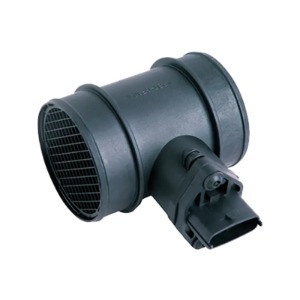
An air flow meter factory specializes in the design and mass production of sensors critical to modern internal combustion and hybrid engine control. The core product, the Mass Air Flow sensor, is a precision electromechanical device that measures the mass of air entering an engine. The factory's primary engineering challenge is to produce sensors with exceptional accuracy, repeatability, and long-term reliability under harsh operating conditions. This involves mastering technologies like hot-wire anemometry, where a microscopic wire or film is heated and its cooling by incoming air is measured, or the newer hot-film technology integrated onto a silicon chip. Every unit from an air flow meter factory must deliver a precise electrical signal that vehicle ECUs depend on for calculating fuel injection, directly impacting emissions, fuel economy, and performance.
Advanced Manufacturing and Micro-Electronic Assembly
Production within an air flow meter factory combines high-precision machining with cleanroom micro-electronic assembly. The sensor housing and intake duct are typically injection-molded from high-temperature plastics. The heart of the sensor—the sensing element—requires a controlled environment. For hot-wire sensors, this involves the precise mounting and welding of ultra-fine platinum wires. For modern hot-film MAFs, it entails the automated assembly and bonding of a MEMS sensor chip onto a substrate, followed by delicate wire bonding. This stage demands robotic precision and rigorous electrostatic discharge protection. The air flow meter factory integrates these sensitive elements into their housings, seals them against contaminants, and installs the necessary electrical connectors, creating a robust, plug-and-play module ready for the automotive assembly line.
Calibration, Testing, and Quality Assurance Protocols
Perhaps the critical phase in an air flow meter factory is end-of-line calibration and testing. Each sensor must be individually calibrated on a precision flow bench. This process involves exposing the sensor to a series of known, highly controlled air flows across its entire operational range and programming its internal electronics to output the correct signal. This calibration data is stored in the sensor's memory. Following calibration, units undergo functional testing, which may include checks for response time, signal linearity, and resistance to pressure pulsations. Environmental stress screening, such as thermal cycling and vibration tests, is performed on sample batches to validate design durability. This exhaustive validation ensures that every air flow meter factory output meets the exacting specifications of global automotive OEMs.
Supply Chain for Specialized Materials and Components
The operation of a competitive air flow meter factory relies on a sophisticated global supply chain. It sources specialized raw materials, including high-purity platinum wire, specialized ceramic substrates for sensing elements, and engineering-grade polymers that can withstand under-hood temperatures and chemical exposure. Electronic components like application-specific integrated circuits and connectors are sourced from certified suppliers. Managing this chain requires just-in-time delivery systems and stringent supplier quality management to prevent disruptions and ensure component consistency. The ability to secure and qualify these specialized materials is a key factor that separates a top-tier air flow meter factory from generic sensor manufacturers, directly influencing the performance and longevity of the final product.
Market Adaptation and Integration with Evolving Powertrains
The strategic direction of an air flow meter factory is heavily influenced by the automotive industry's shift towards electrification and stricter emissions standards. While battery electric vehicles do not require MAF sensors, hybrid vehicles and increasingly efficient internal combustion engines still rely on them. The factory must innovate to produce sensors with faster response times, wider measurement ranges, and enhanced durability for new engine designs like turbocharged direct-injection systems. Furthermore, it must adapt to producing complementary sensors, such as intake air temperature or manifold absolute pressure sensors, often integrated into the same module. This forward-looking R&D and product line flexibility are essential for the air flow meter factory to remain a vital supplier in a rapidly transitioning automotive landscape.
Related products
-
-
-
-
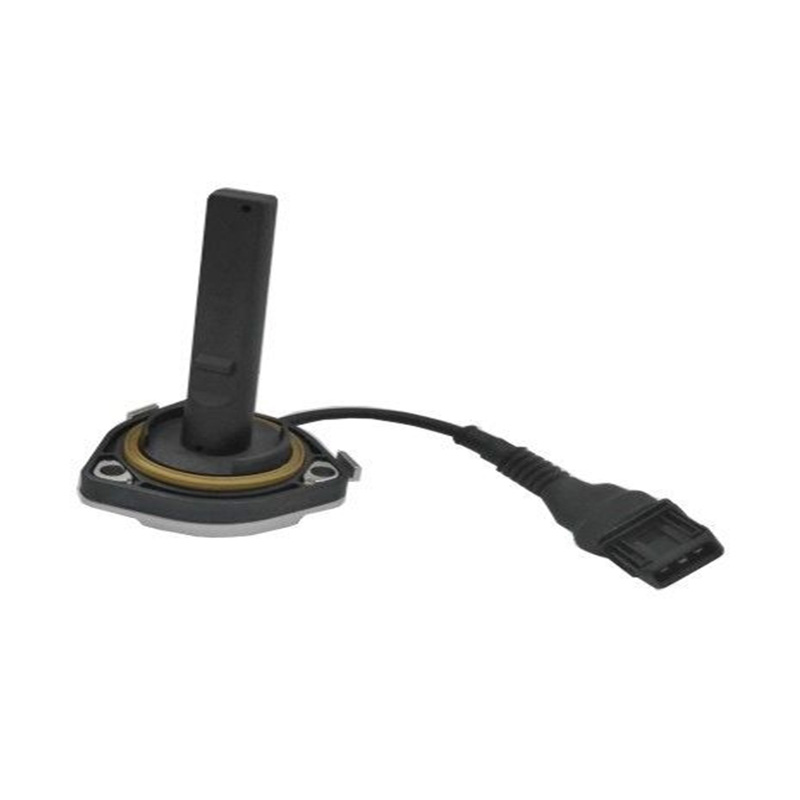
OEM.NO: 12611406609. 12611433508. 126117424991406609. 143350...
See Details -
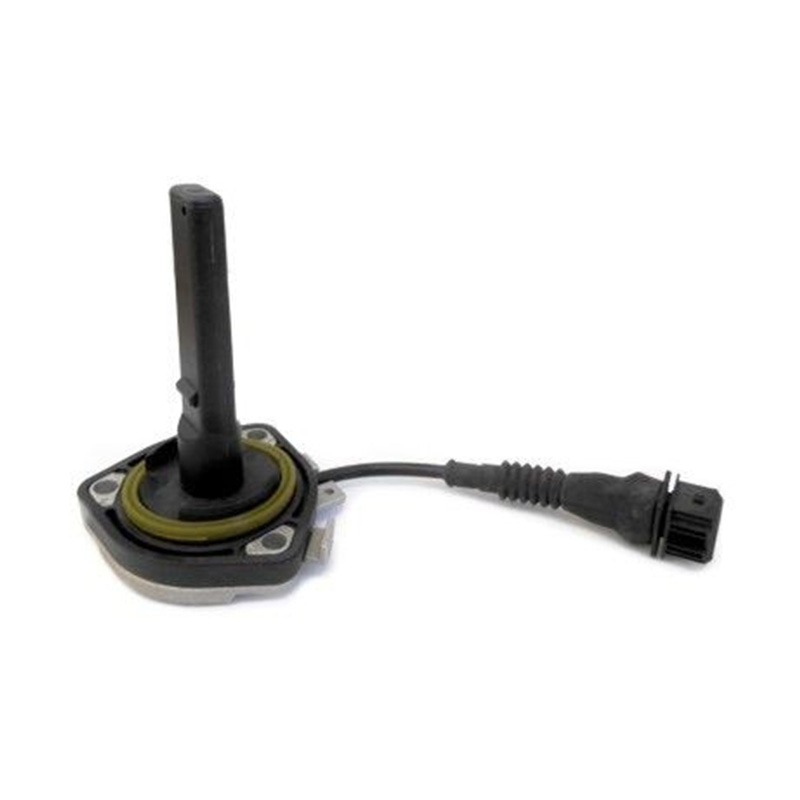
-
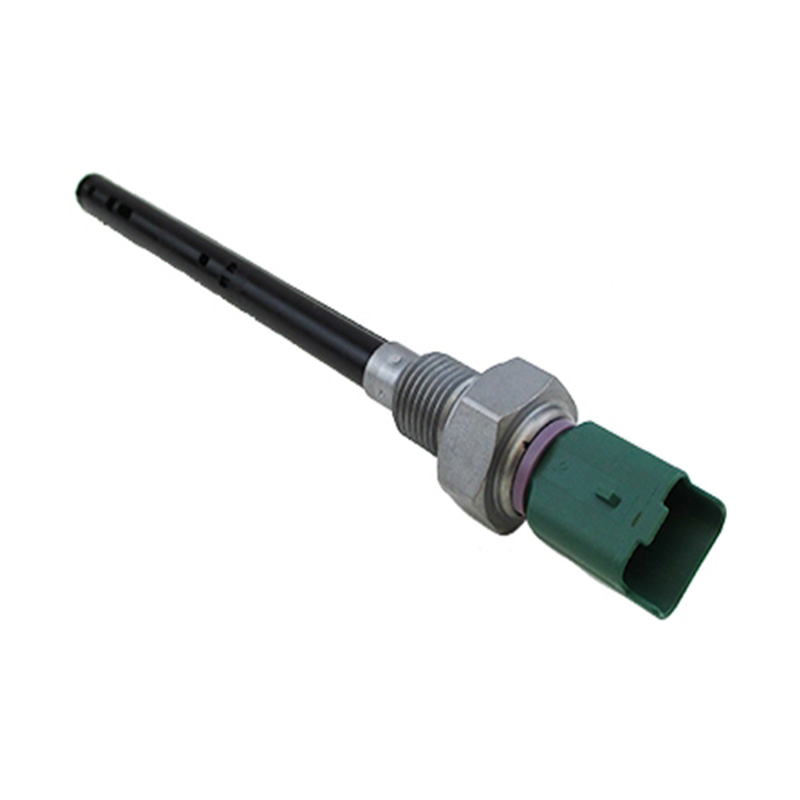

PRODUCTS
CONTACT INFO.
- +86-18057729678/+86-13587780979
- +86-577-62369668
- [email protected]
- No. 21 Xinda Road, xin'ao industrial zone, Hongqiao, Yueqing, Zhejiang, China
QR CODE
Copyright © Wenzhou Xinlianke Mold Industry Co., Ltd. All Rights Reserved.

Car Mass Air Flow Meter Manufacturer
 TOP
TOP