
 ENG
ENG
 English
 русский
 Français
 Español
OEM.NO:0281 002 461 0281 002 462 0986 284 007
See Details
REQUEST A QUOTE
Does the Auto Air Flow Sensor Do in an Audi
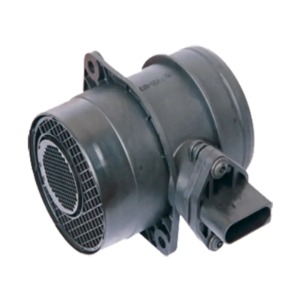
An Auto Air Flow Sensor Audi is an integral part of the vehicle's engine management system. This device helps measure the amount of air entering the engine, providing essential data that allows the engine control unit (ECU) to adjust fuel injection accordingly. Understanding the role of this sensor can help Audi owners maintain vehicle performance and efficiency.
The Function of the Auto Air Flow Sensor
The primary function of the Auto Air Flow Sensor in an Audi is to measure the volume and density of the incoming air. It does this by utilizing either a hot-wire or hot-film technology to detect air flow. The sensor constantly monitors the amount of air entering the engine, which is crucial for maintaining the proper air-fuel ratio.
The ECU uses the data from the Auto Air Flow Sensor to regulate the fuel injectors, adjusting the fuel supply to match the air entering
the engine. This balance between air and fuel is essential for efficient combustion, ensuring the engine runs smoothly, performs well, and remains fuel-efficient.
Maintaining Fuel Efficiency and Performance
An accurate Auto Air Flow Sensor in your Audi helps maintain a stable fuel consumption rate and keeps engine performance at levels. When the sensor provides accurate air intake readings, the ECU can adjust the fuel injectors to match, preventing the engine from running too rich (too much fuel) or too lean (too little fuel).
If the sensor provides faulty readings, it can affect fuel efficiency, resulting in excessive fuel consumption or poor engine performance. Inaccurate data can cause engine hesitation, reduced acceleration, and stalling. The Auto Air Flow Sensor plays a significant role in keeping your Audi running efficiently while minimizing harmful emissions.
Different Types of Air Flow Sensors
In Audi vehicles, the Auto Air Flow Sensor may come in different types, with the Mass Air Flow (MAF) sensor being the good common. The MAF sensor measures the mass of air entering the engine, typically using a heated wire or film. As air passes over the wire, it cools it down, causing a change in resistance. This resistance change is used by the ECU to determine how much air is entering the engine.
Another type is the Volumetric Air Flow Sensor, which measures the volume of air based on its velocity. Though less common than the MAF sensor, this type of sensor works similarly, sending the data to the ECU to adjust fuel injection accordingly.
Why Your Audi Needs an Auto Air Flow Sensor
The Auto Air Flow Sensor in your Audi is crucial for engine performance, fuel efficiency, and emissions control. If the sensor malfunctions or is damaged, the ECU may not receive accurate data, causing poor performance or inefficient fuel use. In some cases, the engine might run too rich, using excessive fuel, or too lean, which can cause damage over time.
Regularly checking the performance of your Auto Air Flow Sensor can prevent unnecessary wear and tear on the engine, maintain fuel efficiency, and reduce the emission of harmful pollutants. A properly functioning sensor contributes to the overall longevity and performance of your Audi’s engine.
Signs of a Faulty Auto Air Flow Sensor
A malfunctioning Auto Air Flow Sensor in your Audi can trigger several symptoms that indicate an issue. Common signs of a faulty sensor include poor acceleration, rough idling, stalling, and decreased fuel efficiency. If your Audi is using more fuel than usual or the engine seems to hesitate during acceleration, the air flow sensor may not be providing accurate data to the ECU.
In addition, a malfunctioning sensor may cause the check engine light to illuminate. If this happens, it's recommended to get the sensor checked using an OBD-II scanner, which will pinpoint the issue.
Replacing the Auto Air Flow Sensor
If the Auto Air Flow Sensor in your Audi is faulty, it is essential to replace it promptly to prevent long-term engine damage. Although it is possible to replace the sensor yourself, it’s often advisable to have a professional perform the replacement, as improper installation could causing further issues.
Related products
-
-
-
-
-
-
OEM.NO: 8200466969. 82006705338200823348. 8229041172000Q3D....
See Details

PRODUCTS
CONTACT INFO.
- +86-18057729678/+86-13587780979
- +86-577-62369668
- [email protected]
- No. 21 Xinda Road, xin'ao industrial zone, Hongqiao, Yueqing, Zhejiang, China
QR CODE
Copyright © Wenzhou Xinlianke Mold Industry Co., Ltd. All Rights Reserved.

Car Mass Air Flow Meter Manufacturer
 TOP
TOP