
 ENG
ENG
 English
 русский
 Français
 Español
OEM.NO: 0280 217 500 0280217 501
See Details
REQUEST A QUOTE
What Problems Can Automotive Air Flow Sensor Cause In Daily Vehicle Use
Why Does Airflow Measurement Matter During Everyday Driving?
Air enters the engine every time the vehicle moves. In real driving, that airflow is never steady. A short stop at a traffic light, a slow crawl in congestion, or a quick merge onto a road all change how much air goes into the intake.
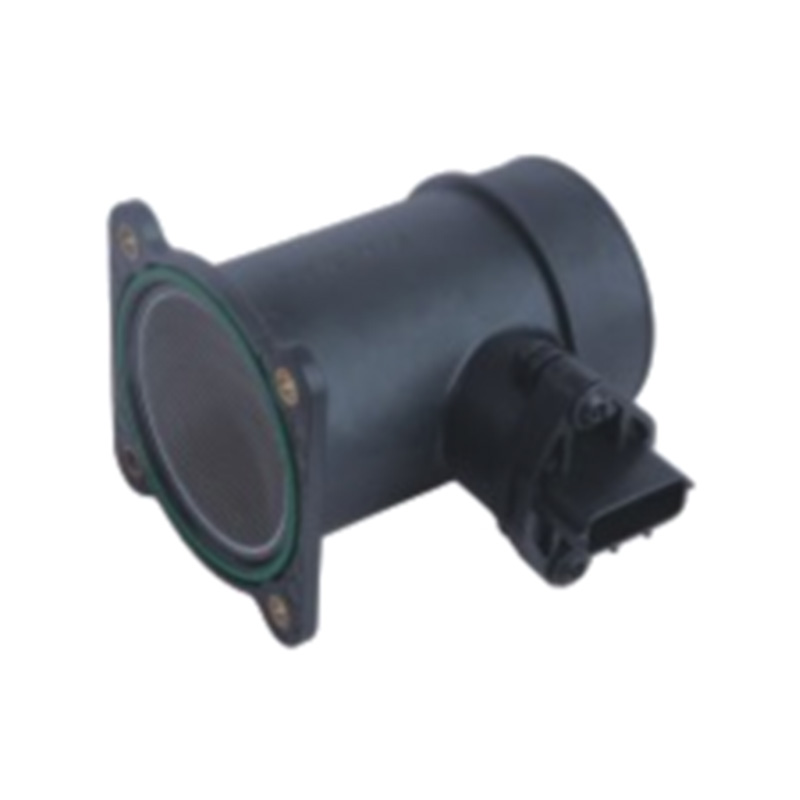
The Automotive Air Flow Sensor sits in that path and watches the movement of air before it reaches combustion. The signal it produces becomes part of how the engine decides fuel delivery.
In normal use, drivers rarely think about airflow. What gets noticed instead is how the vehicle reacts. A small hesitation when pressing the pedal, a slight change in idle, or uneven response in slow traffic often connects back to how air intake is being read.
Inside the system, airflow is not just a number. It becomes part of timing, fuel delivery, and overall response. When the reading matches real intake conditions, driving feels consistent. When it drifts away, changes usually show up during transitions rather than steady driving.
How Does Airflow Detection Actually Happen Inside the Intake System?
Air moves through the intake pipe in a way that changes all the time. It speeds up when the throttle opens, slows down when the engine eases off. The sensor is placed directly in this moving stream.
As air passes, the Automotive Air Flow Sensor reacts to changes in movement or temperature inside a small sensing area. That reaction turns into an electrical signal, which travels to the engine control unit.
The path is simple in concept, though sensitive in practice:
- Air enters through the filter housing
- Flow reaches the sensing section
- Sensor reacts to movement changes
- Signal is sent to the control system
- Fuel delivery adjusts based on input
On paper, the process looks stable. In real driving, the situation is less predictable. A quick press on the accelerator, then a sudden lift of the foot, creates rapid changes in airflow. The sensor has to follow those changes without delay.
When timing shifts even slightly, the effect is usually felt during everyday driving rather than during constant speed cruising.
What Everyday Conditions Interfere With Airflow Reading?
In real use, the intake system is constantly exposed to outside air. That air carries dust, moisture, and small traces of oil vapor from engine circulation. Over time, the sensing area becomes less clean than it was when new.
Common conditions that affect airflow reading include:
- Fine dust from city roads entering the intake path
- Moist air after rain or during humid weather
- Oil mist returning through ventilation flow
- Long periods of idling in heavy traffic
- Repeated short trips without full engine warm-up
These conditions do not usually cause sudden failure. Changes build slowly. A thin layer of residue may form on the sensing surface, slightly slowing how quickly the sensor reacts to airflow changes.
Electrical contact points also matter. Vibration from daily driving or temperature changes can make connections less stable over time. The signal may still pass through, though not always in a consistent way.
In practice, the driver often notices something before any technical indication appears. The vehicle may feel slightly different during acceleration from a stop or when switching between low and medium speed.
How Does Sensor Irregularity Affect Driving Feel in Real Situations?
When airflow reading no longer matches actual intake conditions, engine response begins to shift in small ways. The change is not always obvious.
Some drivers notice a short delay when pressing the accelerator after stopping. Others feel uneven response in slow traffic where speed changes frequently. At higher speeds, the vehicle may still feel stable, which makes the issue harder to recognize.
Typical changes in daily driving:
- Slight hesitation when moving off from a stop
- Uneven response during slow traffic movement
- Small variation in steady-speed driving feel
- Less direct connection between pedal and engine reaction
These effects tend to appear during transition moments. Acceleration, deceleration, and stop-start driving reveal them more clearly than constant cruising.
The control system continues adjusting fuel delivery based on airflow input. When the signal becomes inconsistent, correction happens more often. That repeated adjustment is what the driver feels as uneven behavior.
How Does Airflow Signal Influence Fuel Behavior in Daily Use?
Fuel delivery depends heavily on how much air enters the engine. The Automotive Air Flow Sensor provides that reference. When the signal changes from actual conditions, fuel adjustment follows the same direction.
In everyday use, this can show up in subtle ways:
| Driving Situation | Airflow Condition | Real Driving Effect |
|---|---|---|
| Start from stop | Slight delay | Slower initial movement |
| Traffic driving | Fluctuating flow | Uneven acceleration feel |
| Steady cruising | Stable intake | Normal smooth behavior |
| Sudden acceleration | Rapid change | Short hesitation possible |
The system is always trying to match fuel with airflow. When input is stable, adjustment is calm. When input changes slightly, adjustment becomes more frequent, which affects smoothness in daily driving.
What Can Be Observed in Exhaust Behavior During Signal Deviation?
Changes in airflow do not stay inside the intake system. They eventually affect combustion, which then influences exhaust behavior.
In real driving conditions, the changes are not dramatic. They appear in small ways that are easier to feel than to measure:
- Slight change in exhaust smell during idle
- Mild variation in exhaust flow when accelerating
- Less steady rhythm during stop-and-go driving
- Small shifts in engine sound under load changes
These signs often appear gradually. Driving style, traffic conditions, and engine temperature can all influence how noticeable they become.
Air and fuel balance is always adjusting. When airflow signal is not fully stable, that adjustment becomes continuous rather than steady, and exhaust behavior reflects that ongoing correction.
How Do Vehicle Systems Notice Airflow Irregular Patterns?
Modern engine systems do not rely on a single signal. Airflow reading is checked together with throttle movement, engine load, and other inputs.
When the Automotive Air Flow Sensor output does not match expected engine behavior, internal comparison begins quietly in the background.
The system may observe:
- Airflow changes compared with pedal position
- Idle behavior under stable conditions
- Frequency of fuel corrections during driving
- Consistency between different sensor inputs
In many cases, operation continues normally even with small inconsistencies. Adjustment happens internally without interrupting driving.
Drivers usually notice changes through feel rather than warning signals. Slight differences in response often appear before any system-level indication becomes visible.
How Do Driving Environments Change Airflow Sensor Behavior Over Time?
A vehicle does not spend its life in one stable condition. City streets, short errands, long drives, parking in heat or cold air, all of these situations shape how the intake system behaves.
The Automotive Air Flow Sensor reacts to those surroundings because it always measures moving air. When driving happens mostly in stop-and-go traffic, airflow keeps changing in short bursts. The engine never really settles into a steady rhythm. Over time, that kind of use leaves a different footprint on sensor behavior compared with smoother driving on open roads.
Dust in urban air slowly builds up inside the intake path. It does not block airflow immediately, though it changes how cleanly air passes over the sensing area. Moisture from weather shifts adds another layer. After repeated exposure, the sensor may respond a little slower than before.
On longer trips, airflow stays more consistent, yet heat around the engine becomes a factor. Warm air inside the engine bay changes how the sensing element reacts.
Real-world influences usually come from a mix of:
- Frequent short trips with repeated engine restarts
- Heavy traffic with constant acceleration changes
- Dusty roads or construction zones
- Humid weather or sudden temperature shifts
- Long idle time in stationary traffic
None of these situations create immediate failure. Changes tend to build quietly, and driving feel shifts in small steps rather than sudden change.
What Role Do Manufacturing Differences Play in Airflow Sensor Stability?
Even when two sensors look identical from the outside, their internal behavior can feel slightly different once used in real conditions. The Automotive Air Flow Sensor depends on precise internal structure, and small variations during production can influence how it behaves over time.
Inside manufacturing processes, attention is given to calibration, material consistency, and signal response stability. Still, each production approach may lean slightly toward different priorities. Some sensors respond quickly to airflow changes, while others are tuned to remain steady over longer periods of use.
Air Flow Meter Manufacturers often work within these differences by adjusting production control methods such as:
- Internal calibration sensitivity
- Resistance to contamination buildup
- Signal stability under vibration
- Thermal response during engine heating cycles
- Assembly consistency of airflow channel structure
In daily driving, these differences are not obvious. A sensor may feel perfectly normal during early use. Over time, however, slight variation in response speed or stability may appear depending on driving environment.
A driver usually does not notice manufacturing differences directly. Instead, what becomes noticeable is how the vehicle reacts in traffic, during warm-up, or after long use periods.
How Do Engine Systems Work Together With Airflow Signals?
Airflow information does not work alone inside a vehicle. It is part of a wider system where multiple signals interact at the same time. The Automotive Air Flow Sensor provides one of the main inputs, though the control system constantly compares it with other readings.
In everyday driving, the process is continuous and quiet:
Air enters through the intake, passes the filter, reaches the sensing area, then becomes a signal. That signal is compared with throttle movement, engine load, and other internal data. The engine control system then adjusts fuel delivery based on all combined inputs.
When everything aligns, engine behavior feels smooth and predictable. When airflow reading starts to drift slightly, the system begins adjusting more often to maintain balance. That adjustment does not feel mechanical. It shows up in small differences in response timing or smoothness.
What matters in real use is not a single reading, but how stable the relationship between all signals remains during changing driving conditions.
What Happens When Airflow Signal Changes Slowly Instead of Suddenly?
Many airflow-related issues do not appear suddenly. The change is usually gradual, almost unnoticeable at the beginning. The sensor still works, though its reading starts to drift slightly away from real intake conditions.
Drivers often notice the effect in small daily situations:
- A slightly different response when leaving a stop
- Small changes in slow traffic movement
- Engine feeling less consistent after long idle time
- Minor variation in throttle response over time
Because the change is slow, it is easy to adapt without realizing it. The vehicle still drives normally, just not exactly the same as before.
The engine system keeps adjusting fuel and airflow balance continuously. That compensation hides strong symptoms, leaving only subtle differences in behavior.
These differences tend to show up more in repeated stop-and-go driving than in steady highway conditions, where airflow remains more stable.
How Do Maintenance Habits Influence Airflow Sensor Behavior?
Daily use habits affect the intake system more than many drivers expect. The Automotive Air Flow Sensor itself is not directly touched during normal maintenance, yet everything around it influences its working environment.
When airflow is partially restricted, the sensor receives altered air movement. That change does not always create obvious signs, though it can slowly affect driving smoothness.
Other real-world influences include:
- Short-distance driving without full engine warm-up
- Dust exposure from roads or parking areas
- Irregular maintenance of intake components
- Long periods of engine idling in traffic
Cleaning practices around the intake area also matter. Even small improvements in airflow path condition can help restore more stable engine response.
In many cases, what feels like sensor behavior is actually a combined effect of airflow condition, driving pattern, and intake cleanliness working together.
Why Do Airflow-Related Issues Often Feel Subtle in Daily Driving?
Airflow changes rarely show themselves as clear or sudden problems. Instead, they appear as small shifts in how the vehicle behaves during normal use.
One reason is continuous system correction. When airflow signal changes slightly, the engine control system adjusts fuel delivery in real time. That adjustment reduces strong symptoms, leaving only mild variations in driving feel.
- Starting from a full stop in traffic
- Driving at low and inconsistent speeds
- Switching between acceleration and cruising
- Repeated stop-and-go movement
Outside these conditions, the vehicle may feel completely normal. That makes airflow-related changes harder to recognize without paying attention over a longer period of driving.
Related products
-
-
-
OEM.NO: 12611406609. 12611433508. 126117424991406609. 143350...
See Details -
-
-

PRODUCTS
CONTACT INFO.
- +86-18057729678/+86-13587780979
- +86-577-62369668
- [email protected]
- No. 21 Xinda Road, xin'ao industrial zone, Hongqiao, Yueqing, Zhejiang, China
QR CODE
Copyright © Wenzhou Xinlianke Mold Industry Co., Ltd. All Rights Reserved.

Car Mass Air Flow Meter Manufacturer
 TOP
TOP